
How Digital Banking Is Transforming Financial Services
The Five-Minute Bank Account That Changed Everything
Just a few years ago, opening a bank account often meant taking time off work, visiting a branch, completing lengthy paperwork, and waiting several days for approval. When Olivia moved to a new city for her first job, she expected the process to be no different. Instead, she downloaded a banking app, verified her identity using her smartphone, and opened a current account in less than five minutes. She could instantly transfer money, pay bills, set savings goals, freeze her debit card if it was misplaced, and monitor every transaction in real time—all without stepping inside a bank.
For Olivia, digital banking wasn’t simply more convenient; it fundamentally changed how she managed her finances. She became more aware of her spending, saved money more consistently, and gained greater confidence in managing her financial future. Her experience reflects a global shift as millions of people embrace digital banking to make financial services faster, more accessible, and more personalised.
What Is Digital Banking?
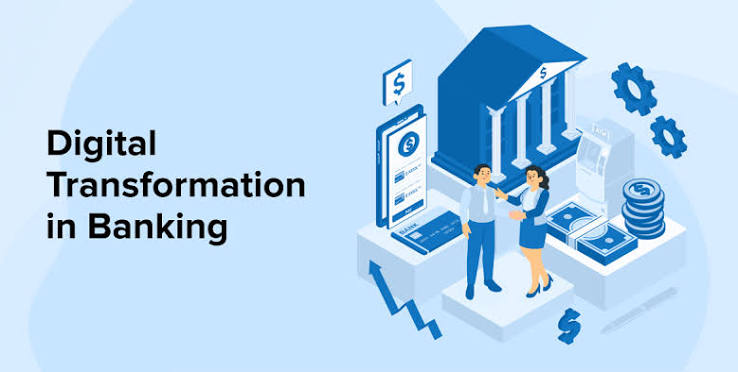
Digital banking refers to the delivery of banking services through digital channels such as mobile applications, websites, online platforms, and automated technologies. Rather than relying primarily on physical branches, customers can access financial services anytime and almost anywhere using internet-connected devices.
Modern digital banking allows customers to:
- Open and manage bank accounts
- Transfer money instantly
- Pay utility bills and merchants
- Apply for loans and credit cards
- Monitor transactions in real time
- Manage investments and savings
- Receive fraud alerts and security notifications
- Access customer support through chat or virtual assistants
Digital banking has transformed traditional banking into a faster, more convenient, and customer-focused experience.
Why Digital Banking Matters
Technology has changed the way consumers expect financial services to operate. People increasingly want banking solutions that are available 24 hours a day, require minimal paperwork, and provide immediate access to financial information.
According to leading international organisations:
- The World Bank’s Global Findex Database 2021 found that 76% of adults worldwide had an account with a bank, mobile money provider, or another regulated financial institution, up from 68% in 2017, reflecting significant growth in financial inclusion through digital financial services.
- The Bank for International Settlements (BIS) reports that digital innovation is reshaping payment systems, improving efficiency, reducing transaction costs, and increasing financial accessibility across many economies.
- According to the Organisation for Economic Co-operation and Development (OECD), improving digital financial literacy enables consumers to use digital financial products more safely and make better financial decisions.
These findings demonstrate that digital banking is no longer simply an innovation—it has become a central part of modern financial services.
Key Features of Digital Banking
24/7 Banking Access
Unlike traditional banking hours, digital banking allows customers to access accounts, make payments, and review transactions at any time, providing greater flexibility and convenience.
Real-Time Transactions
Many digital banking platforms process payments almost instantly, allowing users to send and receive money quickly while tracking transactions in real time.
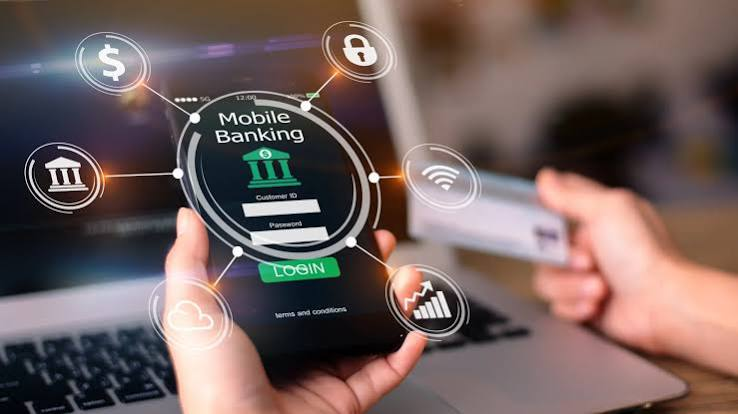
Mobile Banking Applications
Smartphone apps enable customers to perform almost every banking activity from one place, including:
- Checking balances
- Paying bills
- Transferring funds
- Managing savings
- Monitoring investments
- Updating account information
Enhanced Security Features
Modern digital banking platforms use multiple layers of security, including:
- Two-factor authentication (2FA)
- Biometric authentication such as fingerprint or facial recognition
- Encryption technologies
- Fraud detection systems
- Instant transaction notifications
These features help protect customers against unauthorised access and financial fraud.
Digital Payments
Digital banking integrates with electronic payment methods such as:
- Contactless card payments
- Mobile wallets
- QR code payments
- Online merchant payments
- Peer-to-peer transfers
These payment methods improve speed, convenience, and accessibility.
Personal Financial Management Tools
Many banking applications now include budgeting tools, spending analysis, savings goals, and personalised financial insights that help customers better understand and manage their money.
Benefits of Digital Banking
Greater Convenience
Customers can complete most banking tasks without visiting a branch, saving both time and travel costs.
Faster Financial Decisions
Real-time account information helps users monitor spending, manage cash flow, and respond quickly to unexpected expenses.
Improved Financial Inclusion
Digital banking has expanded access to financial services for millions of people who previously had limited access to traditional banking infrastructure.
Lower Operational Costs
Digital processes reduce paperwork and administrative costs, enabling many banks to improve efficiency while offering competitive financial products.
Better Financial Awareness
Transaction alerts, spending summaries, and budgeting tools help customers develop stronger money management habits and improve financial decision-making.
Challenges of Digital Banking
Although digital banking offers many advantages, users should remain aware of potential challenges:
Cybersecurity Risks
Fraud, phishing attacks, and identity theft remain significant concerns. Customers should use strong passwords, enable two-factor authentication, and remain cautious of suspicious emails or messages.
Digital Literacy
Some individuals may find it difficult to use digital banking services due to limited technical knowledge or lack of access to reliable internet connections.
Dependence on Technology
Technical outages, internet disruptions, or software issues may temporarily affect access to banking services.
Privacy Concerns
Customers should understand how financial institutions collect, store, and protect personal and financial data.
How to Use Digital Banking Safely
To maximise the benefits of digital banking while protecting your finances:
- Enable two-factor authentication whenever available.
- Use strong and unique passwords.
- Keep banking applications updated.
- Never share one-time passwords (OTPs) or security codes.
- Avoid accessing banking services over unsecured public Wi-Fi.
- Review account activity regularly for unusual transactions.
- Contact your bank immediately if you suspect fraud.
Developing these habits significantly improves your financial security in an increasingly digital world.
How Our Blog Helps You Navigate Digital Finance
Digital banking continues to evolve rapidly, introducing new technologies, payment systems, and financial products. Our blog is designed to simplify these developments through practical, evidence-based guidance that helps readers make informed financial decisions.
By following our articles, you’ll learn how to:
- Understand digital banking products and services.
- Improve online financial security.
- Build stronger budgeting and saving habits.
- Compare banking products objectively.
- Understand digital payments and financial technology.
- Avoid common online banking mistakes.
- Improve financial literacy through trusted educational content.
- Achieve long-term financial goals with greater confidence.
Our mission is to provide reliable financial education that empowers readers to use modern banking services safely, efficiently, and confidently.
The Future of Banking Is Already Here
Digital banking is no longer simply replacing traditional banking—it is redefining the entire financial experience. Artificial intelligence, open banking, biometric authentication, instant payments, and personalised financial tools continue to transform how individuals manage money. Those who understand and embrace these innovations are better positioned to make informed financial decisions while enjoying greater convenience, efficiency, and financial control.
Conclusion
Digital banking has transformed financial services by making banking faster, more accessible, and increasingly personalised. From real-time payments and mobile banking applications to enhanced security features and intelligent financial management tools, digital banking empowers individuals to manage their finances more effectively than ever before. While challenges such as cybersecurity and digital literacy remain important considerations, understanding how digital banking works enables consumers to use these services safely and confidently. Our blog is committed to helping you navigate the rapidly evolving world of digital finance through trusted insights, practical advice, and evidence-based guidance that supports your financial goals, so are you ready to embrace the future of banking and take greater control of your financial life?
- World Bank. Global Findex Database 2021: https://www.worldbank.org/en/publication/globalfindex
- Bank for International Settlements (BIS). Annual Economic Report and publications on digital payments: https://www.bis.org/
- Organisation for Economic Co-operation and Development (OECD). Financial Education and Digital Financial Literacy: https://www.oecd.org/finance/financial-education/