Diversification: The Secret to Reducing Investment Risk
The Investment Decision That Changed Rachel’s Perspective
Rachel had spent years saving for her future. After receiving a promotion, she finally felt ready to invest. Excited by the success stories she saw online, she invested nearly all of her savings in the shares of a single technology company that had delivered impressive returns over the previous year. For a while, everything seemed to be going well. Then, unexpected market news caused the company’s share price to fall dramatically. Within weeks, Rachel had lost a significant portion of her investment.
Disappointed but determined to learn, she sought advice from experienced investors and discovered a principle that many successful investors consider essential: diversification. Instead of relying on one company or one sector, she began spreading her investments across different industries, countries, and asset classes. Although her portfolio still experienced market fluctuations, it became far more resilient to individual company setbacks. Rachel realised that successful investing isn’t about avoiding risk altogether—it’s about managing it wisely.
Her experience demonstrates why diversification has become one of the most important principles in long-term investing.
What Is Diversification?
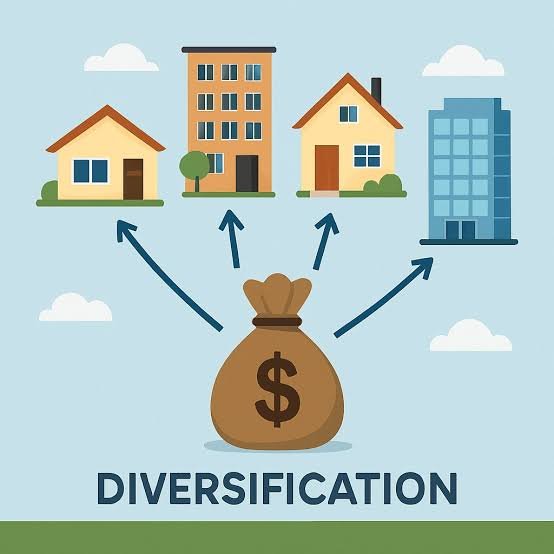
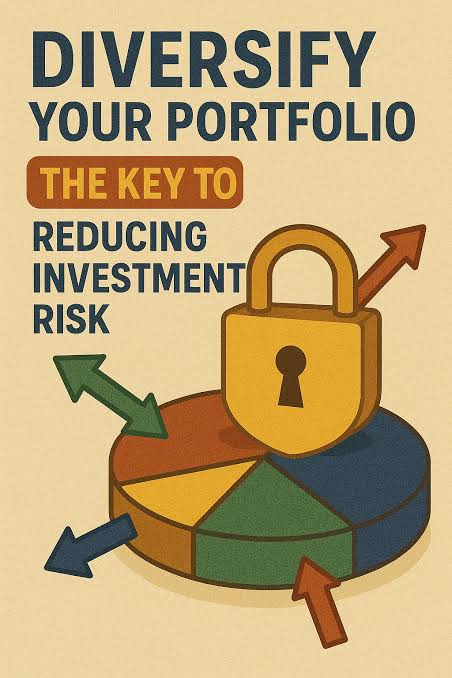
Diversification is an investment strategy that involves spreading your money across different types of investments rather than concentrating it in a single asset. The objective is to reduce the impact of poor performance from any one investment on your overall portfolio.
Diversification does not eliminate investment risk, nor does it guarantee profits. Instead, it helps reduce unsystematic risk—the risk associated with individual companies, industries, or sectors.
For example, instead of investing your entire portfolio in one technology company, you might invest in businesses from healthcare, financial services, consumer goods, energy, and manufacturing, while also holding bonds or international investments.
Why Diversification Matters
Financial markets are unpredictable. Companies can face unexpected challenges, industries may experience downturns, and economic conditions can change rapidly. A diversified portfolio helps reduce the likelihood that a single negative event will significantly damage your investments.
Diversification is especially valuable for long-term investors because it encourages balanced growth while reducing unnecessary concentration risk.
What the Research Says
Several respected financial organisations emphasise the importance of diversification:
- According to the Organisation for Economic Co-operation and Development (OECD), improving financial literacy helps individuals make better investment decisions, including understanding diversification and managing investment risk responsibly.
- The U.S. Securities and Exchange Commission (SEC) advises investors to diversify their portfolios because spreading investments across different assets can help reduce the impact of poor performance from any single investment.
- The Investment Company Institute (ICI) reports that millions of investors worldwide use diversified investment funds such as mutual funds and exchange-traded funds (ETFs) to pursue long-term financial goals while managing investment risk.
These findings reinforce that diversification is not simply a theoretical concept—it is a widely accepted principle of prudent investing.
How Diversification Reduces Investment Risk
Diversification works because different investments often respond differently to economic events.
For example:
- Technology companies may perform well during periods of innovation.
- Healthcare companies may remain relatively stable during economic uncertainty.
- Government bonds may behave differently from shares during periods of market volatility.
- International markets may experience different economic cycles than domestic markets.
By combining a variety of investments, overall portfolio performance may become more stable over time than relying on a single investment.
Different Ways to Diversify Your Portfolio
Diversify Across Industries
Avoid concentrating investments in only one sector such as technology or banking.
Instead, consider exposure to industries including:
- Healthcare
- Consumer goods
- Energy
- Financial services
- Industrials
- Utilities
- Telecommunications
Different industries often perform differently under changing economic conditions.
Diversify Across Asset Classes
A balanced portfolio may include:
- Shares (equities)
- Bonds
- Property investments
- Cash or cash equivalents
- Commodities where appropriate
Each asset class has different risk and return characteristics.
Diversify Geographically
Investing only in your home country’s market may expose you to unnecessary economic risk.
International diversification provides exposure to different economies and global growth opportunities.
Diversify by Investment Style
Investors may combine:
- Growth investments
- Value investments
- Income-producing investments
- Index funds
- Exchange-traded funds (ETFs)
- Mutual funds
This approach helps reduce dependence on a single investment strategy.
Benefits of Diversification
Reduces Company-Specific Risk
If one company performs poorly, other investments within your portfolio may help offset those losses.
Creates More Stable Long-Term Performance
Although diversification cannot eliminate market volatility, it often reduces dramatic swings caused by individual investments.
Supports Long-Term Financial Goals
Diversification helps investors remain focused on objectives such as:
- Retirement planning
- Wealth creation
- Education savings
- Buying a home
- Financial independence
Encourages Disciplined Investing
Diversified investors are generally less tempted to chase the latest investment trend because their portfolios are designed around long-term objectives rather than short-term speculation.
Common Diversification Mistakes
Many investors unintentionally weaken their portfolios through avoidable mistakes:
Investing Too Much in One Company
Even excellent businesses can experience unexpected setbacks.
Assuming More Investments Always Mean Better Diversification
Owning many investments is not the same as being diversified if they all belong to the same industry or react similarly to market conditions.
Ignoring Portfolio Reviews
Investment allocations can change over time as markets rise or fall.
Periodic reviews help ensure your portfolio remains aligned with your financial goals.
Chasing Market Trends
Frequently shifting investments into whichever sector has recently performed best often increases risk rather than reducing it.
Ignoring Personal Risk Tolerance
Diversification should reflect your financial objectives, investment horizon, and comfort with market fluctuations.
Practical Tips for Building a Diversified Portfolio
To build a stronger investment portfolio:
- Define your financial goals clearly.
- Invest regularly rather than trying to time the market.
- Spread investments across sectors and regions.
- Consider diversified funds such as ETFs or mutual funds.
- Review your portfolio periodically.
- Continue improving your financial knowledge.
Remember that diversification is about managing risk—not eliminating it.
How Our Blog Helps You Make Smarter Investment Decisions
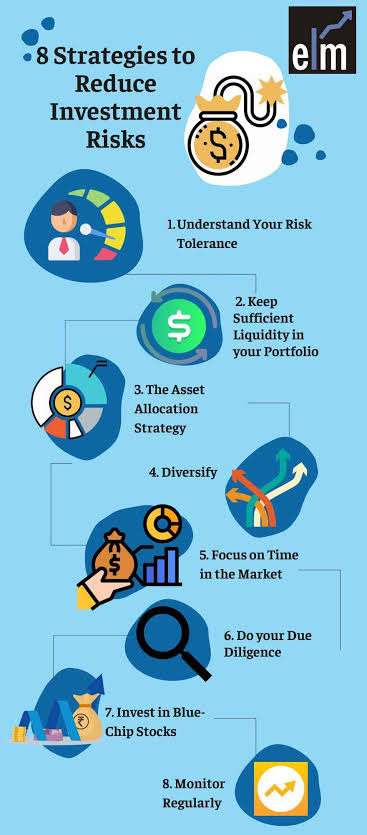
Understanding investing can feel overwhelming, particularly when financial markets become volatile. Our blog is designed to simplify complex financial concepts and provide practical guidance that helps readers make confident, informed decisions.
By following our articles, you’ll learn how to:
- Build diversified investment portfolios
- Understand investment risk and return
- Compare stocks, ETFs, mutual funds, and bonds
- Improve budgeting and saving habits
- Plan for retirement and other long-term goals
- Understand inflation, interest rates, and economic trends
- Avoid common investing mistakes
- Build lasting financial confidence
Our mission is to provide evidence-based financial education that empowers readers to make sound investment decisions based on knowledge rather than speculation.
Diversification Is About Building Confidence, Not Chasing Perfection
No investor can predict exactly how markets will behave tomorrow, next month, or next year. However, investors can control how they prepare for uncertainty. Diversification allows you to reduce unnecessary risk while remaining invested in opportunities for long-term growth. Combined with patience, discipline, and continuous learning, a diversified portfolio provides a stronger foundation for achieving your financial goals.
Conclusion
Diversification is one of the most effective strategies for managing investment risk while pursuing long-term financial growth. By spreading your investments across different companies, industries, asset classes, and regions, you reduce the impact that any single investment can have on your portfolio and improve your ability to navigate changing market conditions. Our blog is committed to helping you understand investing through trusted insights, practical guidance, and evidence-based financial education that supports every stage of your financial journey. Are you ready to build a diversified portfolio that gives your financial future a stronger foundation?
- Organisation for Economic Co-operation and Development (OECD). Financial Education and Financial Literacy: https://www.oecd.org/finance/financial-education/
- U.S. Securities and Exchange Commission (SEC). Beginners’ Guide to Asset Allocation, Diversification, and Rebalancing: https://www.investor.gov/introduction-investing/investing-basics/glossary/asset-allocation-diversification-and-rebalancing
- Investment Company Institute (ICI). 2024 Investment Company Fact Book: https://www.ici.org/research/stats/factbook