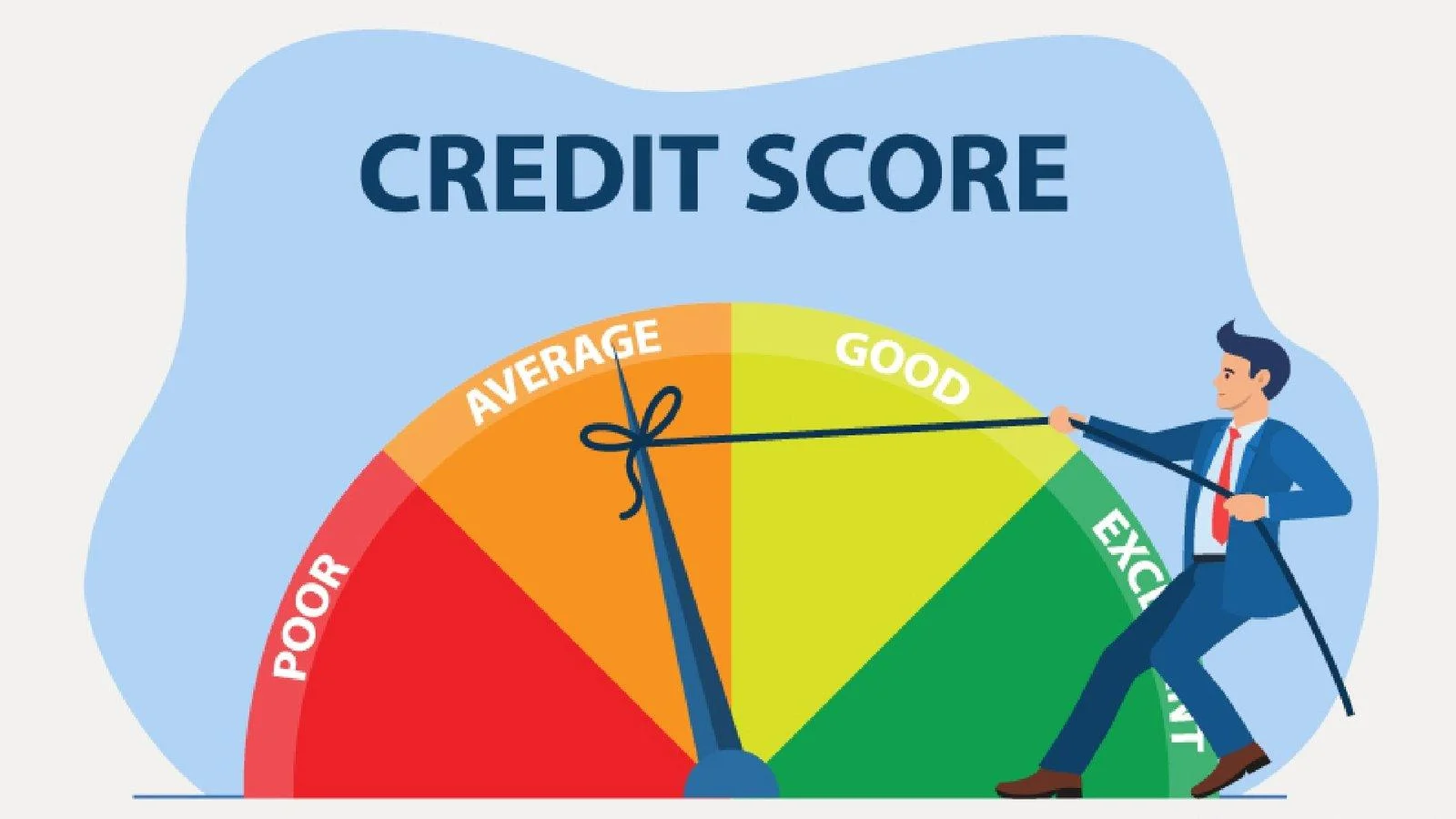
Understanding Your Credit Score and How to Improve It
The Loan Approval That Never Came
James had spent months searching for his first home. After finding the perfect property, he confidently applied for a mortgage, expecting everything to go smoothly. To his surprise, the lender rejected his application. Confused, James contacted the bank and discovered that his credit score was significantly lower than expected. A few missed credit card payments from years earlier, high credit utilisation, and an error on his credit report had all contributed to a poor credit profile.
Determined to turn things around, James reviewed his credit report, paid down outstanding balances, set up automatic bill payments, and began using credit responsibly. Within a year, his credit score improved, and he successfully secured a mortgage with a more competitive interest rate. His experience illustrates an important lesson: your credit score is far more than a number—it is a measure of your financial reliability that can influence many of life’s biggest financial decisions.
What Is a Credit Score?
A credit score is a numerical representation of your creditworthiness based on your borrowing and repayment history. Lenders, banks, insurers, landlords, and in some cases employers may use your credit history to assess financial responsibility.
Although scoring models differ across countries and credit reference agencies, a higher credit score generally indicates lower lending risk and may improve your chances of obtaining loans, mortgages, credit cards, and other financial products on favourable terms.
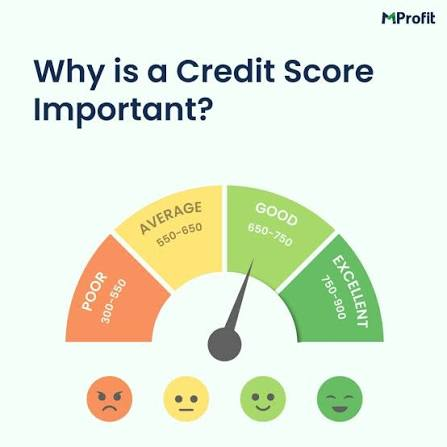
Why Your Credit Score Matters
Your credit score affects far more than loan approvals. It can influence:
- Mortgage eligibility
- Personal loan approvals
- Credit card limits
- Interest rates
- Car finance applications
- Rental applications
- Business financing opportunities
A strong credit score often results in lower borrowing costs, while a poor score can make accessing affordable credit significantly more difficult.
Credit Score Statistics Everyone Should Know
Understanding the importance of your credit score becomes easier when you look at the data:
- According to the Consumer Financial Protection Bureau (CFPB), lenders commonly use credit reports and credit scores to evaluate whether applicants qualify for credit and what interest rates they should receive. Responsible repayment behaviour generally leads to stronger credit profiles. (Source: Consumer Financial Protection Bureau, Consumer Credit Reports and Scores.)
- Research from the World Bank’s Global Findex Database 2021 found that access to formal financial services continues to expand worldwide, increasing the importance of maintaining healthy financial records and responsible borrowing. (Source: World Bank, Global Findex Database 2021.)
- The Financial Conduct Authority (FCA) highlights that understanding credit products and managing repayments responsibly helps consumers avoid financial difficulty and improves long-term financial resilience. (Source: Financial Conduct Authority, Financial Lives Survey.)
These findings demonstrate that maintaining a healthy credit profile is an essential part of overall financial well-being.
Factors That Influence Your Credit Score
Payment History
Your payment history is often the most influential factor in your credit profile. Making payments on time consistently demonstrates reliability to lenders.
Credit Utilisation
Credit utilisation measures how much of your available credit you are currently using.
For example, if your credit limit is £5,000 and your outstanding balance is £1,000, your utilisation rate is 20%. Lower utilisation generally reflects responsible credit management.
Length of Credit History
A longer history of responsibly managing credit provides lenders with more information about your financial behaviour.
Credit Mix
Managing different types of credit responsibly—such as credit cards, personal loans, or mortgages—can contribute positively to your overall credit profile.
New Credit Applications
Submitting multiple credit applications within a short period may temporarily affect your credit score because lenders may interpret this as increased financial risk.
Common Reasons Credit Scores Decline
Many people unintentionally damage their credit score through avoidable mistakes, including:
- Missing payment deadlines
- Maintaining high credit card balances
- Frequently applying for new credit
- Ignoring errors on credit reports
- Defaulting on loans
- Closing long-standing credit accounts unnecessarily
- Failing to monitor their credit history regularly
Fortunately, most of these issues can be corrected through consistent financial habits.
Practical Ways to Improve Your Credit Score
Always Pay Bills on Time
Setting up direct debits or payment reminders helps prevent missed payments, which can remain on your credit history for several years.
Keep Credit Utilisation Low
Aim to use only a modest proportion of your available credit rather than consistently approaching your credit limits.
Check Your Credit Report Regularly
Review your credit report for inaccuracies, fraudulent accounts, or outdated information. Correcting errors promptly can improve your credit profile.
Avoid Unnecessary Credit Applications
Only apply for new credit when genuinely needed. Too many applications within a short period may reduce your score temporarily.
Maintain Older Credit Accounts
Keeping older accounts open—provided they are managed responsibly—can strengthen the length of your credit history.
Reduce Outstanding Debt
Paying down existing balances steadily improves both your credit utilisation and overall financial stability.
Build Healthy Financial Habits
Responsible budgeting, regular saving, and careful debt management all contribute indirectly to stronger creditworthiness over time.
Common Challenges People Face
Improving a credit score often feels difficult because many individuals experience:
- Limited understanding of credit scoring systems
- Unexpected financial emergencies
- High-interest debt
- Poor budgeting habits
- Identity theft or fraud
- Errors on credit reports
- Anxiety about applying for financial products
These challenges are common, but with the right information and consistent action, meaningful improvement is possible.

How Our Blog Helps You Improve Your Financial Health
Understanding credit scores shouldn’t require specialist financial knowledge. Our blog is designed to simplify complex financial topics and help readers make informed decisions with confidence.
Through our practical guides, you’ll learn how to:
- Understand how credit scores are calculated
- Improve your borrowing habits responsibly
- Build stronger budgeting and saving strategies
- Compare financial products objectively
- Avoid common credit mistakes
- Manage debt more effectively
- Strengthen your long-term financial position
Every article focuses on practical, evidence-based financial education rather than unrealistic promises or quick fixes, helping readers develop the knowledge needed to achieve lasting financial success.
Good Credit Is Built Through Consistency
Improving your credit score rarely happens overnight. Instead, it results from consistent financial decisions made over months and years. Every on-time payment, every reduction in outstanding debt, and every responsible borrowing decision contributes to a stronger financial future. While setbacks may occur, maintaining disciplined financial habits can steadily improve both your credit profile and your overall financial confidence.
Conclusion
Your credit score is one of the most valuable financial assets you can build because it influences borrowing opportunities, interest rates, and access to important financial products throughout your life. By understanding how credit scores work and adopting responsible financial habits, you can improve your financial flexibility and work towards your long-term goals with greater confidence. Our blog is committed to helping you navigate every stage of your financial journey through trusted insights, practical advice, and easy-to-understand guidance—so, what step will you take today to start improving your credit score?
- Consumer Financial Protection Bureau (CFPB). Consumer Credit Reports and Scores: https://www.consumerfinance.gov/consumer-tools/credit-reports-and-scores/
- World Bank. Global Findex Database 2021: https://www.worldbank.org/en/publication/globalfindex
- Financial Conduct Authority (FCA). Financial Lives Survey: https://www.fca.org.uk/publications/research/financial-lives