Understanding Income Tax Basics for Beginners
The First Payslip That Left Rohan Confused
Rohan had just landed his first full-time job after graduating from university. Excited to receive his first salary, he eagerly opened his banking app on payday. However, the amount credited to his account was lower than the salary mentioned in his offer letter. Curious, he downloaded his payslip and noticed terms like Income Tax, Tax Deducted at Source (TDS), Gross Salary, and Net Salary. He wondered, “Where did part of my salary go, and why am I paying tax?”
Like many first-time earners, Rohan realised that earning an income also comes with financial responsibilities. Rather than viewing income tax as a confusing deduction, he decided to learn how the system worked. As he gained a better understanding of taxable income, tax deductions, and filing requirements, managing his finances became far less intimidating. More importantly, he discovered that understanding taxes helped him budget better, save more effectively, and avoid costly mistakes.
If you’re beginning your financial journey, understanding the basics of income tax is an essential step towards becoming financially confident.
What Is Income Tax?
Income tax is a tax imposed by the government on the income earned by individuals, businesses, and other entities. The revenue collected through income tax helps fund essential public services such as:
- Healthcare
- Education
- National defence
- Public infrastructure
- Transport
- Social welfare programmes
- Law enforcement
By paying income tax, citizens contribute to the development and functioning of the country’s economy and public services.
Why Understanding Income Tax Matters
Many people assume taxes are only relevant to high-income earners, but income tax affects anyone who earns taxable income.
Understanding income tax helps you:
- Read your payslip correctly.
- Plan your finances throughout the year.
- Avoid unnecessary penalties.
- Claim eligible deductions and refunds where applicable.
- Make informed investment decisions.
- Stay compliant with tax laws.
Financial literacy begins with understanding how your income is earned, taxed, and managed.
What the Research Says
Several respected organisations highlight the importance of financial literacy and effective tax administration:
- According to the Organisation for Economic Co-operation and Development (OECD), individuals with stronger financial literacy are more likely to budget effectively, save consistently, and understand financial obligations such as taxation.
- The Income Tax Department of India has expanded digital filing services, making it easier for millions of taxpayers to file returns online, access tax records, and receive refunds electronically.
- The World Bank has noted that efficient tax systems and digital public services contribute to stronger governance, improved public trust, and sustainable economic development.
These findings demonstrate that understanding taxation benefits both individuals and the wider economy.
Basic Income Tax Terms Every Beginner Should Know
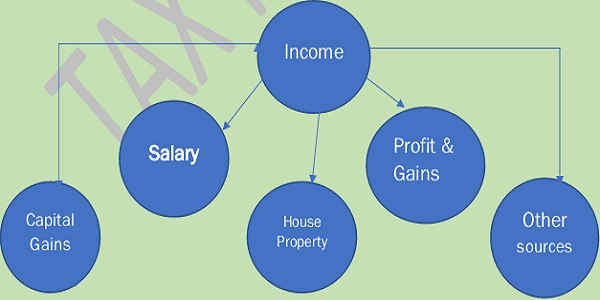
Gross Income
Gross income is the total amount you earn before taxes or other deductions are applied.
It may include:
- Salary or wages
- Bonuses
- Rental income
- Business income
- Interest income
- Investment income
- Other taxable earnings
Understanding gross income helps you estimate your overall tax liability.
Net Income
Net income is the amount you receive after taxes and other deductions have been applied.
This is commonly referred to as your take-home pay.
Taxable Income
Taxable income is the portion of your income on which tax is calculated after considering applicable exemptions, deductions, and allowances under the relevant tax rules.
Not all income is necessarily taxed in the same way.
Tax Deducted at Source (TDS)
For many salaried employees in India, employers deduct income tax from salary before payment. This system is known as Tax Deducted at Source (TDS).
TDS helps spread tax payments throughout the year and reduces the likelihood of a large tax payment at year-end.
Income Tax Return (ITR)
An Income Tax Return (ITR) is the official document taxpayers submit to report their income, taxes paid, deductions claimed, and other required financial information.
Filing your return on time helps maintain compliance and may enable you to claim eligible tax refunds.
How Income Tax Is Calculated
Although the exact calculation depends on current tax laws and your personal circumstances, the general process involves:
- Calculating your total income.
- Identifying taxable income.
- Applying the relevant tax regime and tax rates.
- Considering eligible deductions or rebates where applicable.
- Subtracting taxes already paid, such as TDS.
- Determining whether additional tax is payable or whether a refund is due.
Because tax rules change periodically, always refer to the latest guidance from the Income Tax Department or consult a qualified tax professional.
Why Filing Your Income Tax Return Is Important
Even if tax has already been deducted from your salary, filing your return can provide several benefits:
- Claim eligible tax refunds.
- Maintain financial records.
- Support visa and immigration applications.
- Improve documentation for loan applications.
- Demonstrate tax compliance.
- Reduce the risk of penalties where filing is required.
Timely filing is an important aspect of responsible financial management.
Common Income Tax Mistakes Beginners Make
Many first-time taxpayers make avoidable mistakes, including:
Ignoring Their Payslip
Understanding salary components helps you identify deductions, allowances, and taxes correctly.
Waiting Until the Last Minute
Leaving tax filing until the deadline increases the risk of errors or missed documentation.
Poor Record Keeping
Keep records of:
- Salary slips
- Tax deduction certificates
- Bank statements
- Investment documents
- Insurance receipts
- Donation receipts where applicable
Well-organised records make tax filing much easier.
Assuming Everyone Pays the Same Tax
Tax liability depends on income, applicable tax laws, deductions, and personal circumstances.
Believing Tax Planning Means Tax Avoidance
Tax planning is entirely legal when using provisions allowed under the law. Tax evasion, by contrast, is illegal.
Practical Tips for Beginners
To build good tax habits from the beginning of your career:
- Review your payslip every month.
- Understand your salary structure.
- Keep digital copies of financial documents.
- File your Income Tax Return before the due date.
- Learn about available tax-saving opportunities.
- Review tax law updates annually.
- Seek professional advice if your financial situation becomes more complex.
Small habits established early can save both time and money later.
How Our Blog Helps You Master Personal Finance
Taxation is only one part of a successful financial plan. Our blog explains personal finance in simple language so readers can confidently make informed decisions throughout every stage of their financial journey.
By following our articles, you’ll learn how to:
- Understand taxes without confusing jargon.
- Build effective budgets.
- Compare savings and investment options.
- Understand banking and digital payments.
- Improve financial literacy.
- Manage debt responsibly.
- Plan for retirement.
- Achieve long-term financial goals through practical, evidence-based guidance.
Our mission is to help readers transform financial knowledge into everyday financial confidence.
Financial Knowledge Starts with Understanding Your Income
The first salary often marks the beginning of financial independence, but it also introduces new responsibilities. Learning how income tax works enables you to manage your earnings wisely, comply with legal requirements, and make better financial decisions throughout your life. Rather than fearing taxation, understanding the basics empowers you to take greater control of your financial future and build lasting financial security.
Conclusion
Understanding income tax is one of the most important financial skills every beginner can develop. By learning key concepts such as taxable income, TDS, Income Tax Returns, and responsible tax planning, you can confidently manage your finances, avoid common mistakes, and make informed decisions that support your long-term financial well-being. Our blog is committed to simplifying personal finance through trusted insights, practical advice, and evidence-based education that helps readers achieve their financial goals with confidence. Are you ready to take the first step towards mastering your taxes and building a stronger financial future?
- Organisation for Economic Co-operation and Development (OECD). Financial Education and Financial Literacy: https://www.oecd.org/finance/financial-education/
- Income Tax Department of India. Official e-Filing Portal: https://www.incometax.gov.in/
- World Bank. Governance and Public Finance Resources: https://www.worldbank.org/