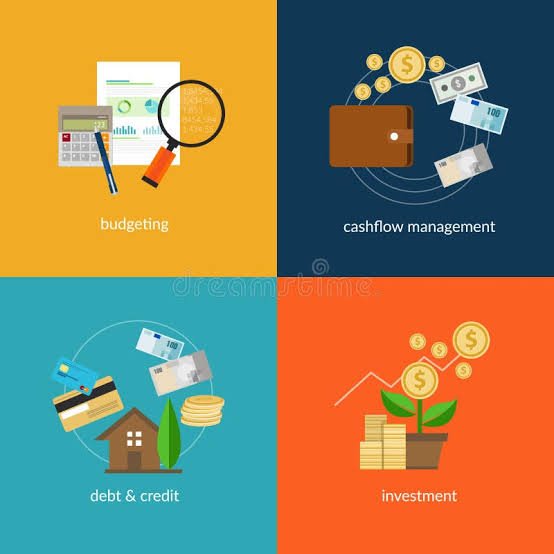
Personal Finance Guide: Smart Money Management, Budgeting, Saving, and Investing
Discover practical personal finance strategies, expert-backed statistics, and actionable tips to budget, save, invest, and achieve your financial goals with confidence.
Personal Finance Management, Budgeting, Saving Money, Financial Planning, Investing, Debt Management, Financial Goals, Emergency Fund, Wealth Building
Imagine Your Financial Story Starts Today
Emma had a good job, earned a steady income, and believed everything was going well—until her car broke down unexpectedly. The repair bill arrived just days before her rent was due, and without an emergency fund, she had no choice but to rely on a high-interest credit card. What began as a single financial setback quickly turned into months of debt, stress, and uncertainty.
Emma’s story is more common than many people realize. Financial challenges rarely happen because people don’t work hard—they often happen because they lack a clear financial plan. The good news is that personal finance isn’t about being wealthy. It’s about making informed decisions, building healthy financial habits, and preparing for both expected and unexpected expenses. Whether you’re just beginning your financial journey or looking to improve your money management skills, learning the fundamentals of personal finance can help you create lasting financial security.
Why Personal Finance Matters More Than Ever
Personal finance is the process of managing your income, expenses, savings, investments, insurance, and debt to achieve both short-term and long-term financial goals.
Good financial management helps you:
Improve financial stability
Reduce financial stress
Prepare for emergencies
Build long-term wealth
Achieve life goals with greater confidence
Today’s economic environment makes financial literacy increasingly important. Rising living costs, changing job markets, and unexpected expenses mean that individuals need practical financial strategies more than ever.
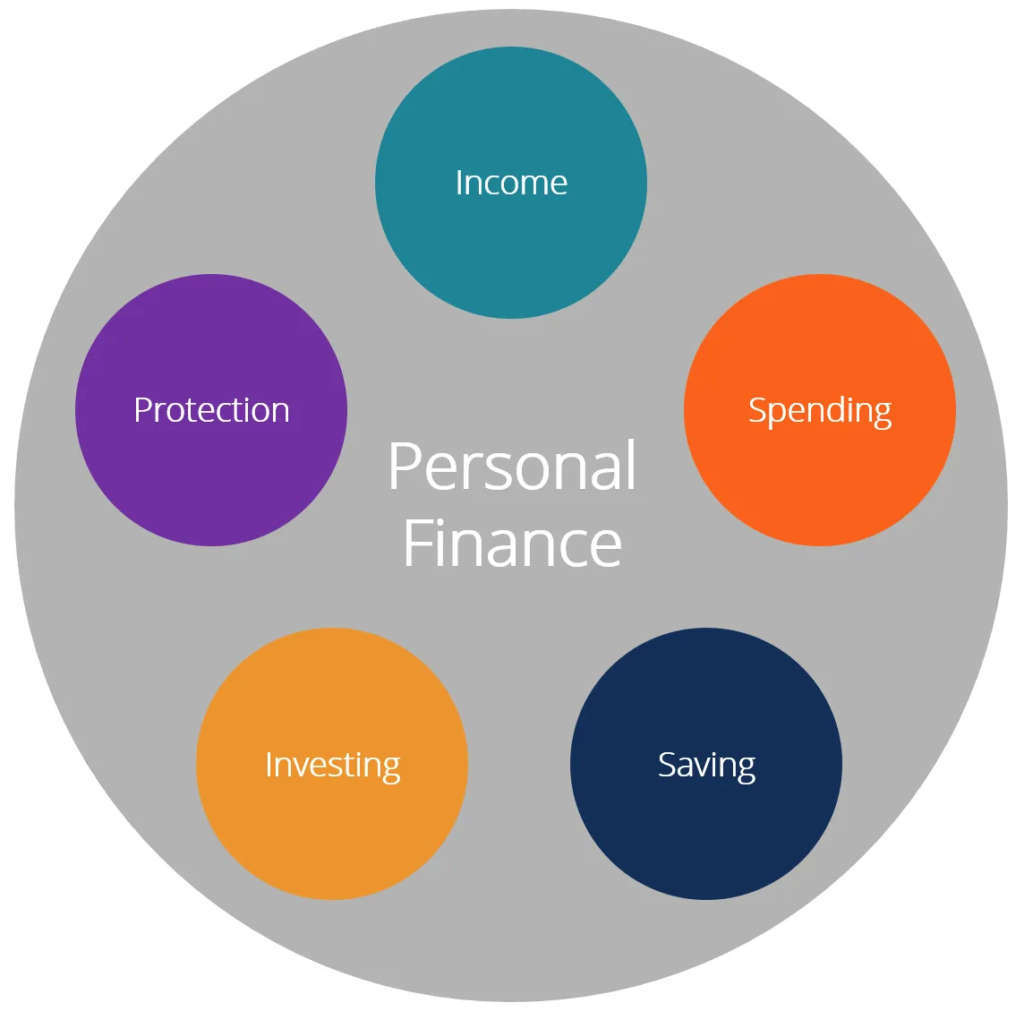
Personal Finance by the Numbers
The importance of financial planning is supported by extensive research.
According to the Federal Reserve’s Report on the Economic Well-Being of U.S. Households, 63% of adults said they could cover a hypothetical $400 emergency expense using cash or its equivalent, meaning a significant portion of adults would still need to borrow, use a credit card, or sell something to handle an unexpected bill.
Source:
Federal Reserve Board. Report on the Economic Well-Being of U.S. Households.
https://www.federalreserve.gov/consumerscommunities/shed.htm
Research from the National Endowment for Financial Education shows that individuals with higher financial literacy are generally more likely to budget regularly, save consistently, and make informed financial decisions.
Source:
National Endowment for Financial Education
https://www.nefe.org
These findings highlight one important lesson: financial success depends less on income alone and more on financial habits.
The Essential Features of Personal Finance
Budgeting
A budget gives every dollar a purpose.
Benefits include:
Understanding spending habits
Reducing unnecessary expenses
Increasing savings
Preventing overspending
Helping achieve financial goals faster
A simple monthly budget creates clarity and confidence in your financial decisions.
Building an Emergency Fund
Life is unpredictable.
Medical expenses, job loss, home repairs, or vehicle maintenance can happen without warning.
Financial experts generally recommend maintaining an emergency fund covering three to six months of essential living expenses. This financial cushion protects you from relying on expensive debt during unexpected situations.
Smart Saving Habits
Saving isn’t about depriving yourself—it’s about preparing for future opportunities.
Effective saving strategies include:
Automating monthly savings
Setting measurable savings goals
Reducing impulse purchases
Tracking monthly expenses
Reviewing subscriptions regularly
Small, consistent savings often produce significant long-term results.
Investing for Long-Term Growth
Saving preserves your money.
Investing helps your money grow.
Common investment choices include:
Index funds
Mutual funds
Exchange-traded funds
Stocks
Bonds
Retirement accounts
Real estate
Long-term investing allows compound growth to work in your favor and increases the potential for wealth creation over time.
Managing Debt Responsibly
Debt should support your financial goals—not control your future.
Responsible debt management includes:
Paying bills on time
Prioritizing high-interest debt
Avoiding unnecessary borrowing
Maintaining a healthy credit score
Reviewing debt regularly
Managing debt effectively improves both financial flexibility and peace of mind.
Common Financial Challenges People Face
Many individuals encounter similar obstacles throughout their financial journey.
Living paycheck to paycheck
Unexpected emergency expenses
High-interest debt
Poor budgeting habits
Lack of investment knowledge
Overspending
Insufficient retirement savings
Financial uncertainty
The encouraging news is that every one of these challenges can be addressed with better planning, education, and consistent action.

How Our Blog Helps You Achieve Your Personal Finance Goals
Managing money can feel overwhelming when you’re navigating countless financial opinions online. That’s where our blog becomes your trusted resource.
Our mission is to simplify personal finance by providing practical, easy-to-understand guidance that helps readers make informed financial decisions with confidence.
Our content helps you:
Create realistic monthly budgets
Develop consistent saving habits
Understand investment basics
Reduce and manage debt effectively
Build emergency funds
Improve financial literacy
Plan for retirement
Stay informed about personal finance trends
Access practical financial tips backed by reliable information
Rather than overwhelming readers with financial jargon, we focus on actionable advice that can be applied in everyday life.
Whether your goal is eliminating debt, growing your savings, purchasing your first home, or preparing for retirement, our blog provides educational resources designed to support every stage of your financial journey.
Practical Steps to Improve Your Financial Future
Track every expense for one month.
Create a realistic monthly budget.
Build an emergency fund before making major investments.
Pay off high-interest debt first.
Automate savings contributions.
Invest consistently for long-term growth.
Review your financial goals every quarter.
Continue improving your financial knowledge.
Small improvements repeated consistently often produce remarkable financial results over time.
Frequently Asked Questions
What is personal finance?
Personal finance refers to managing income, spending, saving, investing, debt, taxes, insurance, and retirement planning to achieve financial security.
Why is financial planning important?
Financial planning helps individuals prepare for future expenses, reduce financial stress, build wealth, and make informed money decisions.
How much should I save for emergencies?
Many financial professionals recommend saving enough to cover three to six months of essential living expenses.
Can anyone improve their personal finances?
Yes. Regardless of income level, consistent budgeting, disciplined saving, responsible debt management, and informed investing can significantly improve financial health.
Conclusion
Personal finance is not about chasing perfection or becoming wealthy overnight. It is about building habits that strengthen your financial future one decision at a time. Every budget you create, every dollar you save, every debt you reduce, and every investment you make moves you closer to financial confidence and long-term security. Our blog is dedicated to helping you navigate every stage of that journey with practical advice, reliable information, and actionable strategies you can use in everyday life. As you continue working toward your financial goals, isn’t now the perfect time to take the next step toward the financial future you deserve?
If you’re targeting competitive search results, I can also produce a 3,000–4,000 word pillar article with semantic SEO optimization, internal linking opportunities, schema-ready FAQ content, and additional research-backed statistics.