How to Build an Emergency Fund from Scratch
The Phone Call That Changed Everything
It was an ordinary Wednesday morning when Michael received a phone call that every employee fears. Due to company-wide restructuring, his role had been made redundant. While the news was difficult to process, another worry quickly surfaced—how would he pay his rent, utility bills, and daily expenses without a regular income?
Fortunately, Michael had spent the previous two years building an emergency fund. It wasn’t a huge amount, but it covered several months of essential living costs. Instead of relying on credit cards or high-interest loans, he had time to search for a new job without making rushed financial decisions. Looking back, he realised that his emergency fund wasn’t just money sitting in a savings account—it was financial security, peace of mind, and the freedom to face life’s unexpected challenges with confidence.
Michael’s story highlights an important truth: emergencies are rarely predictable, but preparing for them is entirely within your control.
What Is an Emergency Fund?
An emergency fund is money set aside specifically to cover unexpected financial emergencies such as:
- Job loss or reduced income
- Medical expenses
- Car or home repairs
- Family emergencies
- Urgent travel
- Unexpected household bills
Unlike savings for holidays, shopping, or planned purchases, an emergency fund should only be used for genuine financial emergencies.
Its primary purpose is to prevent unexpected events from forcing you into debt or disrupting your long-term financial goals.
Why an Emergency Fund Matters
Life is unpredictable. Even people with stable careers can experience financial setbacks without warning. An emergency fund acts as a financial safety net, helping you manage unexpected costs while maintaining your financial stability.
Research demonstrates why emergency savings are so important:
- According to the OECD/INFE International Survey of Adult Financial Literacy (2023), only 43% of adults across participating countries reported that they could cover their living expenses for at least three months without borrowing if they lost their primary source of income. This highlights that many households remain financially vulnerable.
- The U.S. Federal Reserve’s Report on the Economic Well-Being of U.S. Households (2025) found that 55% of adults had emergency savings sufficient to cover three months of expenses, meaning a significant proportion of people still lacked an adequate financial cushion.
- The Consumer Financial Protection Bureau (CFPB) notes that households with regular saving habits are generally better prepared to manage unexpected financial shocks and are less likely to rely on costly borrowing during emergencies.
These findings show that emergency savings are not a luxury—they are a fundamental part of sound financial planning.
Benefits of Building an Emergency Fund
Financial Security
Knowing you have money available for unexpected expenses reduces financial stress and provides greater confidence during uncertain times.
Reduced Dependence on Debt
Without emergency savings, many people rely on credit cards, overdrafts, or personal loans when unexpected costs arise. An emergency fund helps you avoid expensive borrowing.
Protection for Your Long-Term Goals
Unexpected expenses can force people to withdraw investment funds or postpone important financial milestones. An emergency fund helps keep your long-term plans on track.
Greater Peace of Mind
Financial resilience isn’t just about money—it also improves emotional well-being by reducing anxiety about unforeseen events.
How Much Should You Save?
Financial experts commonly recommend saving enough to cover three to six months of essential living expenses.
For example, if your monthly essential expenses total £2,000, your target emergency fund would generally be between:
- £6,000 (three months)
- £12,000 (six months)
If you’re self-employed, have irregular income, or support a larger household, you may wish to aim for a larger emergency fund.
Remember, starting small is far better than not starting at all.
How to Build an Emergency Fund from Scratch
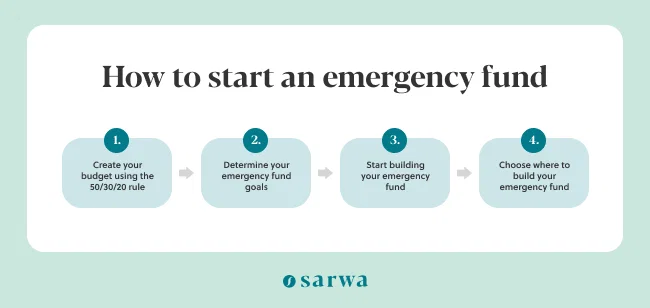
1. Calculate Your Essential Monthly Expenses
Begin by identifying the costs you must pay every month, including:
- Rent or mortgage
- Utilities
- Groceries
- Insurance
- Transport
- Minimum debt repayments
Knowing this amount helps you set a realistic savings target.
2. Start with Small, Achievable Goals
Building several months of savings can seem overwhelming. Instead, focus on smaller milestones such as:
- First £250
- First £500
- First £1,000
Achieving smaller goals builds motivation and confidence.
3. Automate Your Savings
Arrange for a fixed amount to be transferred into a dedicated savings account each payday. Even modest automatic contributions can grow steadily over time.
4. Reduce Unnecessary Spending
Review your monthly spending and identify expenses that can be reduced without significantly affecting your quality of life.
Examples include:
- Unused subscriptions
- Frequent takeaway meals
- Impulse online purchases
- Expensive daily coffee habits
Redirect those savings into your emergency fund.
5. Use Windfalls Wisely
Bonuses, tax refunds, gifts, or other unexpected income can significantly accelerate your progress towards your savings goal.
Rather than spending the entire amount, consider allocating a portion to your emergency fund.
6. Keep Your Emergency Fund Separate
Store your emergency savings in an easily accessible savings account that is separate from your everyday spending account.
Keeping the funds separate reduces the temptation to spend them unnecessarily while ensuring they remain available when genuinely needed.
7. Replenish Your Fund After Using It
Emergencies happen. If you need to use part of your emergency fund, make rebuilding it a financial priority once your situation stabilises.
Common Challenges When Building an Emergency Fund
Many people struggle to save because of:
- Rising living costs
- High-interest debt
- Low or inconsistent income
- Unexpected family responsibilities
- Lifestyle inflation
- Difficulty maintaining consistent saving habits
These challenges are real, but consistent progress—even small amounts saved regularly—can produce meaningful results over time.
How Our Blog Helps You Achieve Your Financial Goals
Building an emergency fund is just one part of a successful financial journey. Our blog provides practical, evidence-based guidance designed to help readers improve every aspect of their financial well-being.
Through our articles, you’ll learn how to:
- Create realistic monthly budgets
- Build savings regardless of your income level
- Manage debt responsibly
- Understand investing and wealth creation
- Improve financial literacy
- Prepare for retirement with confidence
- Navigate inflation, rising living costs, and economic uncertainty
- Develop sustainable money habits that support long-term financial success
Rather than promoting unrealistic shortcuts, we focus on practical strategies that help readers build lasting financial resilience one step at a time.
Every Pound Saved Is Progress
Many people believe they need a high income before they can begin saving, but financial security is built through consistency rather than perfection. Whether you save £20 or £200 each month, every contribution strengthens your financial safety net. Over time, these small, regular deposits can provide the confidence and stability needed to face life’s unexpected challenges without compromising your long-term goals.
Conclusion
Building an emergency fund from scratch may seem challenging, but it is one of the most valuable financial decisions you can make. By saving consistently, managing your spending wisely, and preparing for unexpected expenses, you create a financial cushion that protects both your money and your peace of mind. Our blog is committed to helping you build strong financial habits through trusted advice, practical guidance, and evidence-based strategies that support every stage of your financial journey—so, what is stopping you from taking the first step towards building your emergency fund today?
- OECD/INFE. International Survey of Adult Financial Literacy 2023: https://www.oecd.org/financial/education/oecd-infe-international-survey-adult-financial-literacy.htm
- U.S. Federal Reserve. Report on the Economic Well-Being of U.S. Households in 2025: https://www.federalreserve.gov/consumerscommunities/shed.htm
- Consumer Financial Protection Bureau (CFPB). Your Money, Your Goals: https://www.consumerfinance.gov/consumer-tools/educator-tools/your-money-your-goals/