Beginner’s Guide to Stock Market Investing
The First Investment That Changed Everything
At 26, Olivia had finally started her first full-time job. Every month, she carefully paid her bills and placed whatever money remained into a savings account. Although she felt responsible, she couldn’t ignore one frustrating fact—her savings barely seemed to grow. One evening, while discussing finances with a colleague, she learned that he had been investing a small portion of his salary in the stock market for several years. He wasn’t a financial expert or a millionaire. He simply understood the power of long-term investing and compound growth.
Curious, Olivia began reading books, following trusted financial resources, and learning the basics of investing. She started cautiously, investing a modest amount each month into a diversified index fund. Over time, she realised that successful investing wasn’t about predicting tomorrow’s stock prices or getting rich overnight. It was about patience, consistency, and making informed decisions. That first investment became the beginning of a stronger financial future.
Like Olivia, many people hesitate to invest because they believe the stock market is too risky or too complicated. In reality, understanding the fundamentals can help anyone begin investing with confidence.
What Is the Stock Market?
The stock market is a marketplace where investors buy and sell shares of publicly listed companies. When you purchase a share, you become a partial owner of that company. As the business grows and generates profits, the value of your investment may increase, and some companies also distribute part of their profits to shareholders as dividends.
Stock markets help businesses raise capital while allowing investors to participate in long-term economic growth.

Why Investing Matters
Keeping money in a savings account is important for short-term needs and emergency funds, but inflation can reduce the purchasing power of cash over time. Investing offers the potential for higher long-term returns, although it also involves risk.
Several respected organisations highlight the importance of investing and financial literacy:
- According to the World Bank’s Global Findex Database 2021, access to financial services continues to expand globally, increasing opportunities for individuals to save and invest for long-term financial security.
- The Organisation for Economic Co-operation and Development (OECD) reports that financially literate individuals are more likely to plan ahead, save regularly, diversify investments, and make informed financial decisions through every stage of life.
- Research published in the Credit Suisse Global Investment Returns Yearbook has shown that equities have historically outperformed many other major asset classes over long investment horizons, although past performance does not guarantee future returns.
These findings reinforce the value of understanding investing as part of a broader personal finance strategy.
Key Features of Stock Market Investing
Ownership in Businesses
Buying shares means owning a small portion of a company. As the company grows, shareholders may benefit from rising share prices and dividend payments.
Capital Growth
One of the primary objectives of investing is long-term capital appreciation. Successful companies often increase in value over many years, allowing investors to grow their wealth.
Dividend Income
Many established companies distribute a portion of their profits as dividends, providing investors with a regular income stream in addition to potential capital gains.
Liquidity
Shares listed on major stock exchanges can generally be bought and sold quickly during market trading hours, making them relatively liquid investments.
Diversification
Investors can reduce risk by spreading their investments across different industries, sectors, countries, and asset classes rather than relying on a single company.
Common Investment Options for Beginners
Individual Shares
Investing directly in individual companies offers the potential for higher returns but also exposes investors to greater company-specific risk.
Exchange-Traded Funds (ETFs)
ETFs allow investors to buy a basket of shares that tracks an index or sector. They provide diversification, relatively low costs, and are popular among beginners.
Index Funds
Index funds aim to replicate the performance of a market index, such as the FTSE 100 or S&P 500. They offer broad market exposure and are often recommended for long-term investors seeking diversification.
Mutual Funds
Professionally managed mutual funds pool money from many investors to invest in diversified portfolios. They may suit investors who prefer expert management.
Essential Principles Every Beginner Should Know
Invest for the Long Term
Stock prices fluctuate daily, but long-term investing has historically provided greater opportunities for growth than attempting to profit from short-term market movements.
Understand Risk
Every investment carries risk. Share prices may rise or fall due to economic conditions, company performance, interest rates, or market sentiment.
Invest only money you can leave invested for the long term and avoid making emotional decisions during market volatility.
Diversify Your Portfolio
Avoid concentrating all your investments in one company or sector. Diversification helps reduce the impact of poor performance from any single investment.
Invest Consistently
Regular investing, regardless of short-term market movements, can help smooth the effects of market volatility over time and encourage disciplined investing habits.
Continue Learning
Successful investing requires ongoing education. Understanding financial statements, market trends, economic conditions, and investment products helps improve decision-making over time.
Common Mistakes Beginners Make
Many new investors experience setbacks because they:
- Try to time the market
- Chase popular investment trends
- Invest without researching companies
- Ignore diversification
- Sell investments during market downturns out of fear
- Expect unrealistic short-term returns
- Invest money needed for immediate expenses
Recognising these mistakes early can help build a stronger and more disciplined investment strategy.
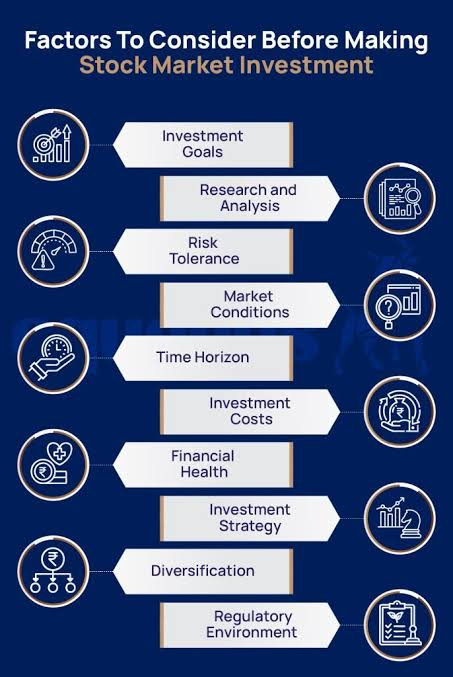
How Our Blog Helps You Become a Smarter Investor
Starting your investment journey can feel overwhelming, especially with so much conflicting information available online. Our blog is designed to simplify investing by providing practical, evidence-based guidance that helps readers make informed financial decisions.
Through our articles, you’ll learn how to:
- Understand stock market fundamentals
- Compare different investment options
- Build diversified portfolios
- Manage investment risk effectively
- Avoid common beginner mistakes
- Understand inflation, interest rates, and market cycles
- Improve long-term financial planning
- Build confidence as an informed investor
Our goal is not to promote speculation or “get-rich-quick” strategies. Instead, we focus on helping readers develop the knowledge and habits needed to pursue sustainable long-term financial success.
Investing Is a Journey, Not a Race
Many successful investors did not begin with large amounts of money. They started by learning the basics, investing consistently, and remaining patient through changing market conditions. Time in the market has historically proven more valuable than attempting to predict short-term price movements. By focusing on education, diversification, and disciplined investing, you can gradually build wealth while reducing unnecessary risk.
Conclusion
Stock market investing offers an opportunity to grow your wealth, achieve long-term financial goals, and protect your purchasing power against inflation. Although every investment carries risk, understanding the fundamentals and adopting disciplined investing habits can significantly improve your chances of long-term success. Our blog is dedicated to helping you navigate the world of investing with trusted insights, practical strategies, and easy-to-understand guidance that empowers you to make informed financial decisions with confidence. Are you ready to take your first step towards becoming a smarter investor today?
- World Bank. Global Findex Database 2021: https://www.worldbank.org/en/publication/globalfindex
- OECD. Financial Education and Financial Literacy: https://www.oecd.org/finance/financial-education/
- Credit Suisse Research Institute. Global Investment Returns Yearbook (latest edition available): https://www.credit-suisse.com/about-us/en/reports-research/global-investment-returns-yearbook.html