Inflation: How It Affects Your Everyday Spending
A Weekly Grocery Trip That Became a Wake-Up Call
Emma had followed the same routine for years. Every Saturday morning, she visited her local supermarket with a shopping list and a budget of £80. One weekend, she noticed something unusual. The same basket of groceries she had purchased only a year earlier now cost nearly £95. Bread, milk, vegetables, cooking oil, and household essentials had all become more expensive. Nothing about her lifestyle had changed, yet she was spending significantly more just to maintain the same standard of living.
Like millions of households around the world, Emma was experiencing the real-world impact of inflation. While inflation often makes headlines in financial news, its effects are felt most clearly at the checkout counter, fuel station, electricity bill, and monthly household budget. Understanding how inflation works is one of the most important steps toward protecting your financial well-being.
What Is Inflation?
Inflation is the rate at which the general prices of goods and services increase over time, reducing the purchasing power of money. Simply put, when inflation rises, each pound buys fewer goods and services than it did before.
Central banks monitor inflation carefully because moderate inflation supports economic growth, while persistently high inflation can reduce purchasing power, disrupt household budgets, and create uncertainty for businesses and consumers.
Why Inflation Matters to Your Personal Finances
Inflation affects almost every aspect of daily life. Whether you’re buying groceries, paying rent, commuting to work, or saving for retirement, rising prices influence how far your income can stretch.
Recent data highlights the significance of inflation:
- According to the International Monetary Fund (IMF), global inflation rose sharply after the pandemic, peaking at around 8.7% in 2022 before gradually declining as monetary policies tightened. (Source: International Monetary Fund, World Economic Outlook, 2024.)
- The Organisation for Economic Co-operation and Development (OECD) reported that inflation significantly reduced household purchasing power across many economies, particularly affecting lower-income households that spend a larger share of their income on essential goods such as food and energy. (Source: OECD Economic Outlook, 2024.)
- The Bank of England explains that inflation directly influences the cost of living and is one of the key reasons interest rates are adjusted to help maintain price stability. (Source: Bank of England, Inflation and the 2% Target.)
These figures demonstrate why understanding inflation isn’t just important for economists—it’s essential for every household.
How Inflation Affects Your Everyday Spending
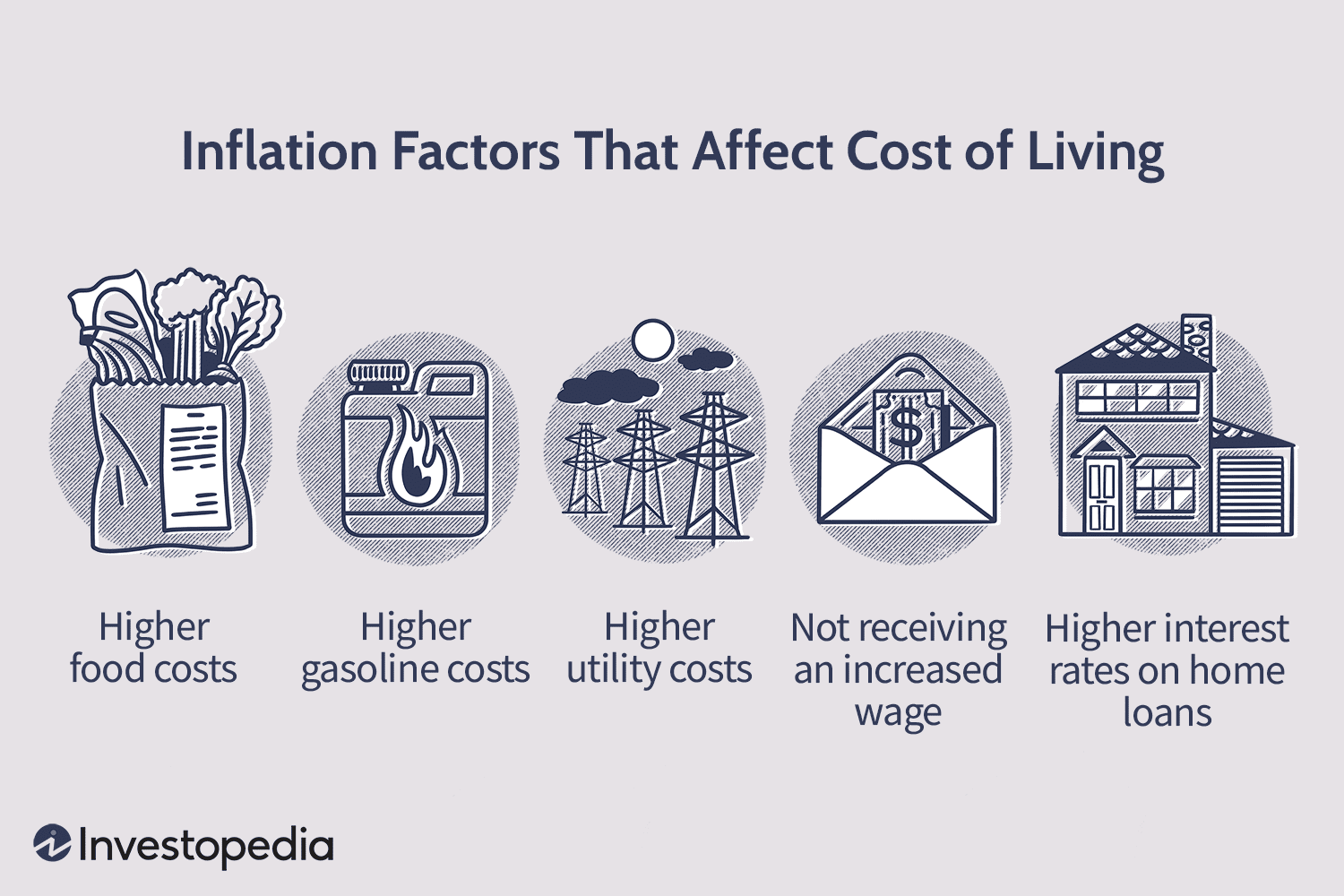
Higher Grocery Bills
Food prices are often among the first expenses households notice during periods of inflation. Even small price increases across everyday essentials accumulate into substantial monthly costs.
Increased Housing Costs
Inflation frequently contributes to higher rental prices, maintenance expenses, building materials, and mortgage costs when interest rates increase.
Rising Energy and Fuel Prices
Electricity, gas, and transport expenses often fluctuate during inflationary periods, increasing both household and commuting costs.
More Expensive Borrowing
Central banks may raise interest rates to reduce inflation. While this helps stabilise prices, it also makes borrowing more expensive through higher mortgage rates, personal loan costs, and credit card interest.
Reduced Purchasing Power
One of inflation’s biggest effects is that salaries may not increase as quickly as prices. Even if your income remains unchanged, your money effectively buys less than before.
Impact on Long-Term Savings
Money held in low-interest savings accounts may lose purchasing power if inflation grows faster than the interest earned. This is why long-term financial planning often includes investments designed to outpace inflation over time.
Common Financial Challenges During Inflation
Many people struggle with financial uncertainty when prices rise because of:
- Household budgets becoming increasingly difficult to manage
- Unexpected increases in utility bills
- Reduced ability to save each month
- Greater reliance on credit cards or loans
- Anxiety about future expenses
- Difficulty distinguishing between essential and discretionary spending
These challenges are common, but understanding inflation can help you respond more effectively rather than simply reacting to rising prices.
Smart Ways to Protect Yourself Against Inflation
Review Your Budget Regularly
Monitor your monthly expenses and identify areas where spending can be reduced without compromising essential needs.
Build an Emergency Fund
Maintaining savings that cover several months of essential expenses provides financial flexibility during periods of rising costs.
Increase Your Financial Knowledge
Understanding inflation, interest rates, taxation, and investing enables you to make more informed financial decisions.
Invest for Long-Term Growth
Historically, diversified investments have offered the potential to outpace inflation over long periods, although all investments involve risk and returns are never guaranteed.
Reduce High-Interest Debt
Paying down expensive debt becomes even more important when interest rates rise, helping reduce future financial pressure.
Compare Prices and Shop Strategically
Using discounts, comparing retailers, purchasing in bulk where appropriate, and avoiding impulse buying can help minimise the impact of inflation on household spending.
How Our Blog Helps You Navigate Inflation
Managing money during inflation can feel overwhelming, especially when financial headlines constantly discuss rising prices and economic uncertainty. Our blog is designed to simplify these complex topics and provide practical guidance you can apply immediately.
Through our articles, you’ll learn how to:
- Create inflation-resistant household budgets
- Build emergency savings step by step
- Understand interest rates and their impact on borrowing
- Make informed investment decisions based on long-term goals
- Reduce unnecessary spending without sacrificing quality of life
- Improve financial literacy through evidence-based guidance
- Develop sustainable money habits that strengthen financial resilience
Rather than focusing on short-term trends or unrealistic promises, our blog empowers readers with reliable knowledge and practical strategies that support better financial decisions throughout changing economic conditions.
Turning Financial Challenges into Opportunities
Inflation may be beyond your control, but your financial decisions are not. By understanding how rising prices affect your everyday spending, you can make smarter choices, adjust your budget, prioritise savings, and plan for the future with greater confidence. Small, consistent improvements in your financial habits can significantly strengthen your resilience during periods of economic uncertainty.
Conclusion
Inflation is more than an economic statistic—it is a reality that influences every shopping trip, household bill, savings goal, and financial decision. While rising prices can place pressure on your budget, they also highlight the importance of strong financial planning, informed decision-making, and disciplined money management. Our blog is committed to helping you understand complex financial topics through practical advice, trusted insights, and actionable strategies that empower you to achieve your personal finance goals despite changing economic conditions. Are you ready to take control of your finances before inflation takes control of your spending?
- International Monetary Fund (IMF). World Economic Outlook (2024): https://www.imf.org/en/Publications/WEO
- OECD. OECD Economic Outlook (2024): https://www.oecd.org/economic-outlook/
- Bank of England. Inflation and the 2% Target: https://www.bankofengland.co.uk/monetary-policy/inflation