Financial Planning Checklist for Every Stage of Life
The Notebook That Became Maya’s Financial Roadmap
When Maya graduated from university, she bought a small notebook to write down her dreams. On the first page, she listed goals like buying her own home, travelling the world, supporting her parents, and retiring comfortably. At the time, those ambitions seemed far away. She focused on finding her first job and paying her monthly expenses.
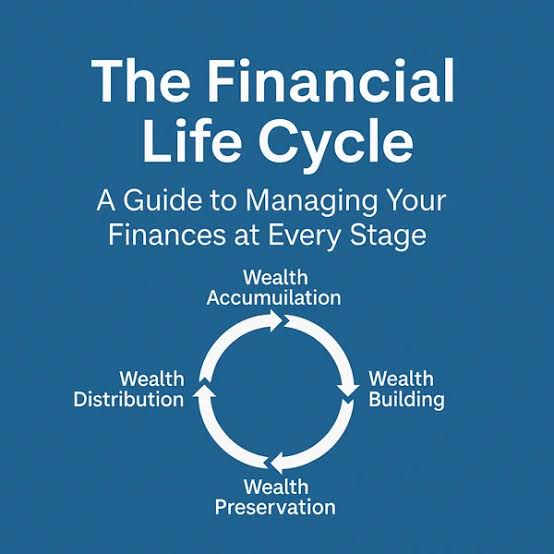
A few years later, Maya looked back at her notebook and realised that some goals had been achieved while others had changed. She also noticed that each stage of her life required different financial decisions. In her twenties, budgeting and building an emergency fund mattered most. In her thirties, buying a home and protecting her family became priorities. As her career progressed, retirement planning and wealth preservation moved to the forefront.
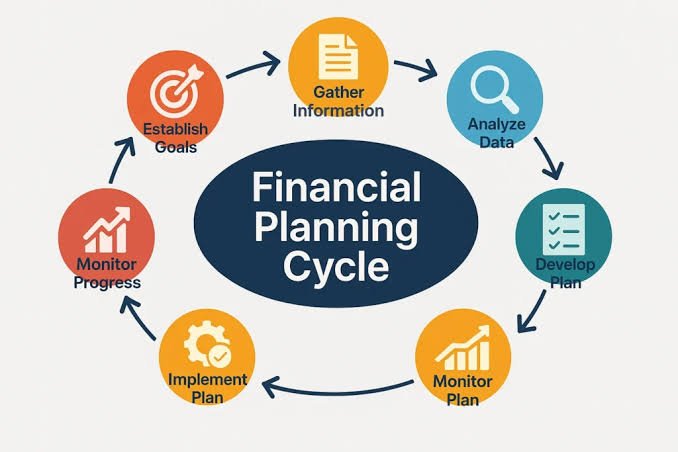
Maya discovered that financial planning isn’t a one-time task—it is a lifelong journey. The strategies that work at one stage of life may not be suitable at another. By reviewing your finances regularly and adjusting your plan as your circumstances evolve, you can make confident decisions and stay on track to achieve your financial goals.
What Is Financial Planning?
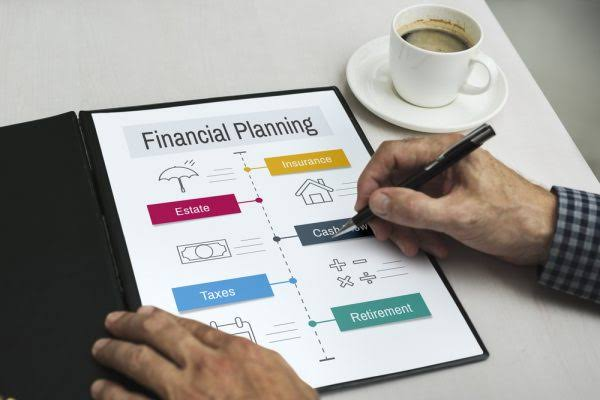
Financial planning is the process of organising your income, spending, savings, investments, insurance, and retirement planning to achieve both short-term and long-term financial goals.
A comprehensive financial plan typically includes:
- Budgeting and cash flow management
- Emergency savings
- Debt management
- Insurance protection
- Investing and wealth creation
- Retirement planning
- Tax planning
- Estate and legacy planning
Rather than focusing only on saving money, financial planning helps ensure that every financial decision supports your future objectives.
Why Financial Planning Matters
Life changes constantly. Career growth, marriage, children, home ownership, and retirement all bring new financial responsibilities.
Having a financial plan helps you:
- Manage unexpected expenses.
- Reduce financial stress.
- Build long-term wealth.
- Prepare for retirement.
- Protect your family.
- Achieve major life goals.
- Make informed financial decisions.
Without a plan, it becomes much more difficult to manage changing financial priorities.
What the Research Says
Leading global organisations consistently highlight the value of financial planning and financial literacy:
- According to the Organisation for Economic Co-operation and Development (OECD), individuals with stronger financial literacy are more likely to budget effectively, save regularly, invest for the future, and prepare for retirement.
- The World Bank’s Global Findex Database 2021 reports that 76% of adults worldwide have an account with a formal financial institution or mobile money provider, providing greater access to savings and other financial services.
- The International Monetary Fund (IMF) notes that sound household financial management contributes to economic resilience, particularly during periods of inflation or economic uncertainty.
These findings demonstrate that financial planning benefits not only individuals but also contributes to stronger financial wellbeing across society.
Financial Planning Checklist: Every Stage of Life
Your 20s – Build Strong Financial Foundations
Your twenties are often the best time to establish healthy financial habits.
Checklist:
- Create a monthly budget.
- Build an emergency fund covering three to six months of essential expenses.
- Avoid unnecessary debt.
- Begin investing, even with small amounts.
- Learn about compound growth.
- Start contributing towards retirement savings.
- Build a positive credit history.
- Purchase essential insurance where appropriate.
Primary Goal: Develop disciplined financial habits that support long-term success.
Your 30s – Grow Wealth and Protect Your Family
Many people experience major life events during this stage, including marriage, purchasing a home, or raising children.
Checklist:
- Increase retirement contributions.
- Review your investment portfolio regularly.
- Purchase adequate life and health insurance.
- Plan for children’s education if applicable.
- Manage mortgage or housing costs responsibly.
- Build diversified investments.
- Create medium-term financial goals.
Primary Goal: Balance wealth creation with financial protection.
Your 40s – Strengthen Financial Security
Your peak earning years provide an opportunity to accelerate wealth building.
Checklist:
- Increase long-term investments.
- Reduce high-interest debt.
- Review insurance coverage.
- Maximise retirement savings.
- Diversify investment holdings.
- Build additional emergency reserves.
- Prepare for future healthcare costs.
Primary Goal: Strengthen financial stability and reduce long-term risk.
Your 50s – Prepare for Retirement
Retirement planning becomes increasingly important during this stage.
Checklist:
- Estimate retirement income needs.
- Review pension and retirement accounts.
- Reduce unnecessary financial liabilities.
- Rebalance investment portfolios where appropriate.
- Review estate planning documents.
- Build predictable retirement income sources.
- Plan healthcare expenses.
Primary Goal: Transition from wealth accumulation to retirement readiness.
Your 60s and Beyond – Preserve Wealth
After retirement, protecting wealth becomes as important as growing it.
Checklist:
- Manage retirement withdrawals carefully.
- Maintain sufficient emergency savings.
- Review healthcare and insurance needs.
- Monitor investment risk.
- Update wills and estate plans.
- Protect against financial fraud.
- Review financial goals annually.
Primary Goal: Maintain financial independence while preserving wealth for future generations.
Essential Financial Habits at Every Age
Regardless of your life stage, these habits remain valuable:
Budget Regularly
Tracking income and expenses helps you make informed financial decisions and avoid unnecessary debt.
Build an Emergency Fund
Unexpected expenses can occur at any time. A well-funded emergency reserve reduces financial stress.
Invest Consistently
Regular investing allows your portfolio to benefit from long-term market growth and the power of compounding.
Review Insurance
Adequate insurance protects your finances against unexpected events that could otherwise disrupt your financial plan.
Continue Learning
Financial markets, regulations, and products evolve constantly. Ongoing education helps you make better financial decisions.
Common Financial Planning Mistakes
Many people delay financial planning or make avoidable mistakes, including:
- Living without a budget.
- Saving too little for retirement.
- Ignoring inflation.
- Carrying unnecessary high-interest debt.
- Failing to review investments regularly.
- Delaying insurance decisions.
- Not having an emergency fund.
- Setting unrealistic financial goals.
Recognising these mistakes early makes them easier to avoid.
Practical Tips for Building a Lifetime Financial Plan
To improve your financial future:
- Review your financial goals every year.
- Increase savings whenever your income grows.
- Diversify your investments appropriately.
- Keep financial records organised.
- Reassess your insurance needs after major life events.
- Avoid emotional financial decisions.
- Seek professional advice for complex financial matters.
Financial planning is most effective when reviewed regularly rather than created once and forgotten.
How Our Blog Helps You Achieve Your Financial Goals
Personal finance can seem overwhelming because every stage of life presents new challenges. Our blog simplifies financial planning through practical, evidence-based guidance that helps readers make informed decisions with confidence.
By following our articles, you’ll learn how to:
- Create realistic financial plans.
- Build emergency savings.
- Understand investing and diversification.
- Plan for retirement confidently.
- Improve budgeting and cash flow management.
- Compare financial products objectively.
- Understand inflation, taxation, and banking.
- Avoid common personal finance mistakes.
Our mission is to provide trustworthy financial education that empowers readers to build lasting financial security at every stage of life.
Financial Planning Is a Journey, Not a Destination
No one achieves every financial goal overnight. Life will present unexpected opportunities, economic changes, and personal challenges that require your financial plan to evolve. The key is not creating a perfect plan but maintaining consistent habits, reviewing your progress regularly, and adapting your strategy as your circumstances change. Every smart financial decision you make today lays another foundation stone for tomorrow’s financial security.
Conclusion
Financial planning is one of the most valuable investments you can make in yourself. Whether you’re just beginning your career, raising a family, preparing for retirement, or enjoying your retirement years, having a structured financial checklist helps you make informed decisions, reduce financial stress, and build long-term wealth. By reviewing your finances regularly, adapting your strategy as your life changes, and continuing to improve your financial knowledge, you can confidently work towards every stage of your financial journey. Our blog is committed to helping you achieve those goals through trusted insights, practical advice, and evidence-based financial education, so which item on your financial planning checklist will you take action on today?
- Organisation for Economic Co-operation and Development (OECD). Financial Education and Financial Literacy: https://www.oecd.org/finance/financial-education/
- World Bank. Global Findex Database 2021: https://www.worldbank.org/en/publication/globalfindex
- International Monetary Fund (IMF). Financial Stability and Household Finance Resources: https://www.imf.org/