The Power of Compounding: Why Time Matters
The £100 Decision That Changed a Lifetime
When Liam celebrated his 25th birthday, his grandfather handed him an envelope containing £100 and a simple piece of advice: “Don’t spend it—invest it, and let time do the hard work.” At first, Liam laughed. How could £100 possibly make a difference to his future? A few years later, after learning about investing and compound growth, he began contributing a small amount every month to a diversified investment fund. His friend Ethan, who earned a similar salary, decided he would “start investing later” after buying a car and travelling.
Ten years passed. Liam wasn’t wealthy overnight, but his investments had grown steadily because his money had been earning returns, and those returns had started earning returns of their own. Ethan eventually began investing too, but he quickly realised that catching up would require much larger monthly contributions. The difference wasn’t intelligence or income—it was time.
Liam’s story illustrates one of the most powerful concepts in personal finance: the power of compounding. The earlier you begin, the more opportunity your money has to grow.
What Is Compounding?
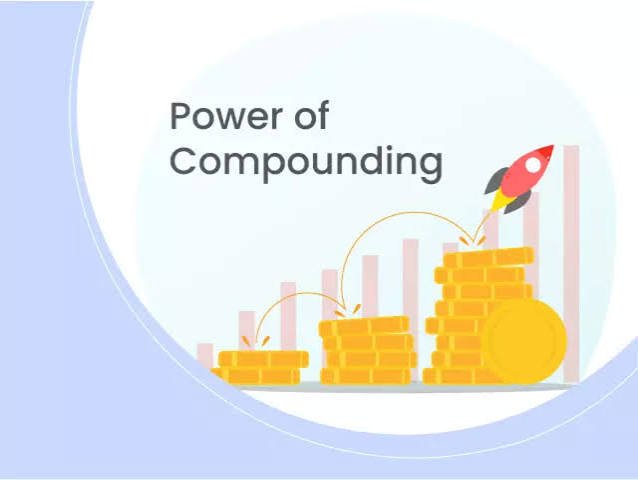
Compounding is the process where the returns generated by your investments begin generating additional returns. Rather than earning returns only on your original investment, you also earn returns on the gains accumulated over time.
genui{“economics_finance_valuation_hedging_learning_block_staging”:{“type_id”:”COMPOUND_INTEREST”,”content”:”FV=PV(1+r)^n”,”locale_override”:”en-GB”}}
In simple terms, compounding allows your money to grow at an accelerating rate because each year’s growth builds on the previous year’s balance.
Although no investment guarantees returns, compounding has historically been one of the key drivers of long-term wealth creation.
Why Time Is Your Greatest Financial Asset
When people think about investing, they often focus on how much money they need to start. In reality, time is often more valuable than the size of your initial investment.
The longer your money remains invested, the more opportunities it has to benefit from compound growth. Even modest, regular investments can grow substantially over decades because gains continue to accumulate.
Financial experts frequently describe time as the “multiplier” in investing because it allows the effects of compounding to become increasingly significant.
Why Compounding Matters: The Numbers
Several respected organisations highlight the importance of starting early and investing consistently:
- According to the Organisation for Economic Co-operation and Development (OECD), financially literate individuals are more likely to save regularly, invest for the long term, and prepare for retirement, improving their overall financial resilience.
- The World Bank’s Global Findex Database 2021 found that access to formal financial services continues to increase globally, giving more people opportunities to build wealth through long-term saving and investing.
- The Investment Company Institute (ICI) reports that millions of households worldwide use long-term investment funds such as mutual funds to pursue retirement and wealth-building goals, demonstrating the growing importance of disciplined investing.
These findings reinforce a simple principle: starting early and remaining invested can have a significant impact on long-term financial outcomes.
How Compounding Works
Imagine two investors:
- Investor A begins investing at age 25.
- Investor B begins investing at age 35.
If both invest regularly and earn the same average annual return, Investor A generally has a significant advantage because their investments benefit from an additional decade of compound growth.
This example demonstrates that consistency and patience often matter more than attempting to find the “perfect” investment.
Key Benefits of Compounding
Long-Term Wealth Growth
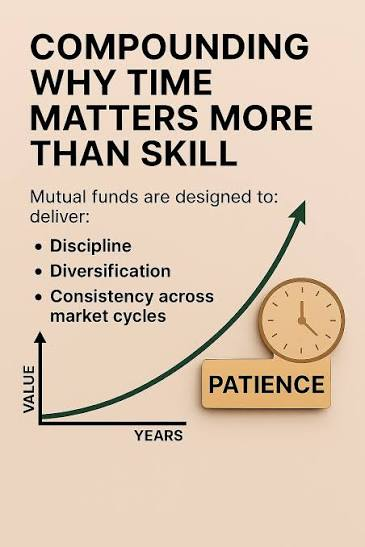
Compounding enables investments to grow exponentially rather than linearly over time. As investment returns accumulate, future growth is calculated on an increasingly larger balance.
Smaller Contributions Can Make a Difference
Many people delay investing because they believe they need thousands of pounds to begin. In reality, investing modest amounts consistently can produce meaningful results over the long term.
Helps Offset Inflation
Inflation gradually reduces the purchasing power of cash. Long-term investments that generate returns above inflation may help preserve and grow your wealth over time, although returns are never guaranteed.
Encourages Financial Discipline
Regular investing encourages healthy financial habits such as budgeting, saving, and maintaining a long-term perspective rather than reacting to short-term market movements.
Supports Major Financial Goals
Compounding can help individuals work towards goals including:
- Buying a home
- Funding children’s education
- Building retirement savings
- Creating financial independence
- Leaving a financial legacy
Common Mistakes That Reduce the Benefits of Compounding
Many investors unintentionally limit the power of compounding by making avoidable mistakes, including:
Waiting Too Long to Start
Delaying investments by several years can significantly reduce long-term growth because valuable compounding years are lost.
Frequently Buying and Selling
Constant trading interrupts long-term investment growth and may increase transaction costs and taxes.
Withdrawing Investments Early
Removing invested money before reaching long-term goals reduces the amount available to continue compounding.
Chasing Short-Term Trends
Attempting to predict market movements often leads to emotional decisions that may negatively affect long-term investment performance.
Ignoring Diversification
Concentrating investments in a single company or sector increases risk and may expose investors to unnecessary losses.
Practical Tips to Maximise Compounding
To make the most of compound growth:
- Start investing as early as possible.
- Invest consistently through regular monthly contributions.
- Reinvest dividends whenever appropriate.
- Maintain a diversified investment portfolio.
- Review your investment strategy periodically rather than reacting to daily market movements.
- Continue improving your financial knowledge.
Remember, consistency is often more important than perfection.
How Our Blog Helps You Build Long-Term Wealth
Understanding investing and compounding can feel overwhelming, particularly for beginners. Our blog simplifies complex financial concepts into practical guidance that readers can apply with confidence.
By following our articles, you’ll learn how to:
- Understand the fundamentals of investing
- Build realistic financial plans
- Compare investment options objectively
- Create diversified portfolios
- Avoid common investing mistakes
- Manage financial risk responsibly
- Improve budgeting and saving habits
- Develop long-term wealth-building strategies
Our goal is to provide trusted, evidence-based financial education that helps readers make informed decisions rather than chasing unrealistic investment promises.
Small Steps Today Can Transform Tomorrow
Building wealth rarely depends on earning an extraordinary salary or discovering the next high-performing investment. More often, it results from consistently making sensible financial decisions over many years. Every contribution you make, every dividend you reinvest, and every year you remain invested strengthens the compounding process. While markets naturally experience periods of volatility, patience and discipline have historically rewarded investors who remain focused on their long-term objectives.
Conclusion
The power of compounding demonstrates that successful investing is not simply about how much money you invest but also about how long you allow your investments to grow. Starting early, investing consistently, and remaining patient can significantly improve your chances of achieving long-term financial goals. Our blog is committed to helping you understand investing, build financial confidence, and make informed decisions through trusted insights and practical guidance, so if time is your greatest financial asset, why wait another day to put it to work?
- Organisation for Economic Co-operation and Development (OECD). Financial Education and Financial Literacy: https://www.oecd.org/finance/financial-education/
- World Bank. Global Findex Database 2021: https://www.worldbank.org/en/publication/globalfindex
- Investment Company Institute (ICI). 2024 Investment Company Fact Book: https://www.ici.org/research/stats/factbook