Mutual Funds vs ETFs: Which Is Better?
One Conversation That Changed Emma’s Investment Journey
Emma had finally decided to start investing. After months of building an emergency fund and paying off her credit card debt, she was ready to put her money to work. She opened an investment platform and immediately faced a confusing choice: Mutual Funds or Exchange-Traded Funds (ETFs). Both promised diversification, professional management, and long-term wealth creation, but she had no idea which one suited her financial goals.
Instead of investing blindly, Emma spent time learning how each investment worked. She discovered that there wasn’t a universal “better” option. The right choice depended on her investment objectives, risk tolerance, investment horizon, and costs. By understanding the strengths and limitations of both, she made confident decisions that aligned with her financial future.
If you’ve ever felt overwhelmed by investment choices, you’re not alone. Understanding the differences between mutual funds and ETFs is one of the most important steps towards becoming a smarter investor.

What Are Mutual Funds?
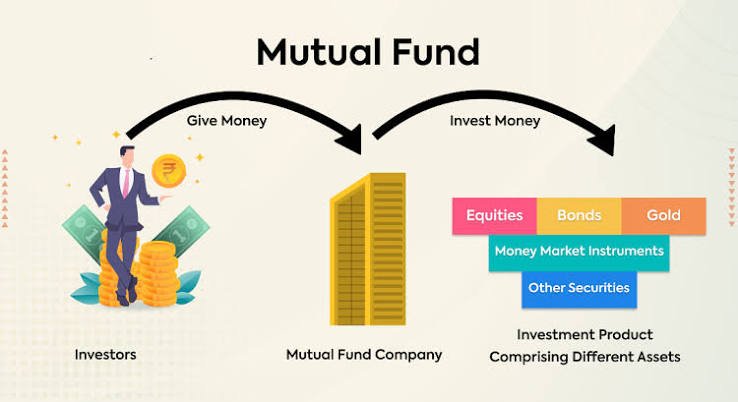
A mutual fund is an investment vehicle that pools money from many investors to purchase a diversified portfolio of assets such as shares, bonds, or other securities. Professional fund managers make investment decisions on behalf of investors with the aim of achieving the fund’s stated objectives.
Mutual funds are generally priced once each trading day based on their Net Asset Value (NAV), meaning all investors buying or selling on the same day receive the same price after the market closes.
What Are Exchange-Traded Funds (ETFs)?
An Exchange-Traded Fund (ETF) is also a diversified investment fund, but unlike traditional mutual funds, ETFs trade on stock exchanges throughout the trading day, just like individual shares.
Many ETFs are designed to track the performance of market indices such as the FTSE 100, S&P 500, or MSCI World Index, although actively managed ETFs are becoming increasingly available.
Why Investors Choose Diversified Funds
Diversified investment products help reduce the risk associated with investing in a single company or industry. Rather than relying on one investment, investors spread their money across many assets.
Several respected organisations highlight the growing popularity of diversified investing:
- According to the Investment Company Institute (ICI), worldwide regulated open-end fund assets—including mutual funds and ETFs—exceeded US$70 trillion in recent years, demonstrating their central role in global investing.
- Morningstar research consistently shows that lower investment costs are associated with higher long-term investor outcomes, making fees an important consideration when comparing funds.
- The Organisation for Economic Co-operation and Development (OECD)continues to encourage greater financial literacy so individuals can understand investment products, diversification, and long-term wealth building.
These findings highlight why understanding the differences between mutual funds and ETFs can help investors make more informed financial decisions.
Mutual Funds vs ETFs: Understanding the Differences
Professional Management
Both mutual funds and ETFs provide diversified portfolios.
Mutual funds are often actively managed, meaning fund managers aim to outperform the market through research and security selection.
Many ETFs are passively managed and seek to replicate the performance of a market index, although actively managed ETFs also exist.
Trading Flexibility
One of the biggest differences is how investors buy and sell their investments.
Mutual Funds
- Purchased directly through fund companies or investment platforms.
- Transactions occur once daily after markets close.
- All investors receive the same daily price.
ETFs
- Bought and sold throughout the trading day.
- Prices fluctuate continuously based on market demand.
- Investors can place market or limit orders just as they would with shares.
Investment Costs
Investment costs play an important role in long-term returns.
Many passive ETFs have relatively low annual expense ratios because they simply track market indices.
Actively managed mutual funds often have higher management fees due to research, portfolio management, and operational costs.
However, fees vary considerably between individual funds, making comparisons essential before investing.
Diversification
Both investment options provide broad diversification.
A single global equity ETF or diversified mutual fund may provide exposure to hundreds or even thousands of companies across multiple industries and countries.
Diversification reduces company-specific risk, although it cannot eliminate overall market risk.
Minimum Investment
Many mutual funds require minimum investment amounts.
ETFs usually allow investors to purchase as little as one share, depending on the brokerage platform, making them attractive for beginners.
Transparency
Most ETFs publish their holdings daily, allowing investors to see exactly what they own.
Many mutual funds disclose holdings less frequently, often monthly or quarterly.
Which Investment Might Suit Different Investors?
Mutual Funds May Be Suitable If You:
- Prefer professional active management
- Want automatic investment plans
- Are investing regularly over many years
- Value expert portfolio management
- Are comfortable with end-of-day pricing
ETFs May Be Suitable If You:
- Prefer lower investment costs
- Want flexibility to trade during market hours
- Believe in passive investing
- Want broad diversification through index investing
- Value portfolio transparency
Neither investment is inherently better—the most suitable choice depends on your financial objectives, investment experience, time horizon, and personal preferences.
Common Mistakes Investors Make
Many beginners make avoidable mistakes when comparing investment funds:
- Choosing investments based solely on recent performance
- Ignoring fees and charges
- Failing to diversify
- Investing without understanding the product
- Frequently buying and selling during market volatility
- Trying to predict short-term market movements
- Investing without clear financial goals
Successful investing is built on discipline, diversification, patience, and continuous learning.

How Our Blog Helps You Become a Better Investor
Understanding investment products can seem overwhelming, especially when financial terminology becomes complex. Our blog is designed to simplify investing by providing practical, evidence-based guidance that supports better financial decision-making.
Through our articles, you’ll learn how to:
- Compare different investment products objectively
- Understand diversification and portfolio construction
- Build long-term investment strategies
- Manage investment risk responsibly
- Improve financial literacy
- Understand inflation, taxation, and market trends
- Avoid common investing mistakes
- Develop confidence as a long-term investor
Our focus is on helping readers make informed financial decisions based on education rather than speculation or short-term market trends.
Building Wealth Requires Patience
Whether you choose mutual funds, ETFs, or a combination of both, long-term success depends less on finding the “perfect” investment and more on investing consistently, keeping costs under control, maintaining diversification, and staying committed to your financial plan. Markets will inevitably experience periods of growth and decline, but disciplined investors who remain focused on their long-term objectives are generally better positioned to benefit from the power of compounding over time.
Conclusion
Mutual funds and ETFs each offer valuable opportunities to build wealth through diversified investing, and neither is universally better than the other. The right choice depends on your financial goals, investment strategy, risk tolerance, and preferred level of involvement. By understanding how these investment products work and continuing to improve your financial knowledge, you can make more confident decisions that support your long-term financial success. Our blog is committed to helping you navigate the world of investing with trusted insights, practical guidance, and evidence-based strategies that empower you to achieve your financial goals, so which investment option best matches your journey towards financial independence?
- Investment Company Institute (ICI). 2024 Investment Company Fact Book: https://www.ici.org/research/stats/factbook
- Morningstar. Mind the Gap and Fund Fee Research: https://www.morningstar.com/research
- OECD. Financial Education and Financial Literacy: https://www.oecd.org/finance/financial-education/