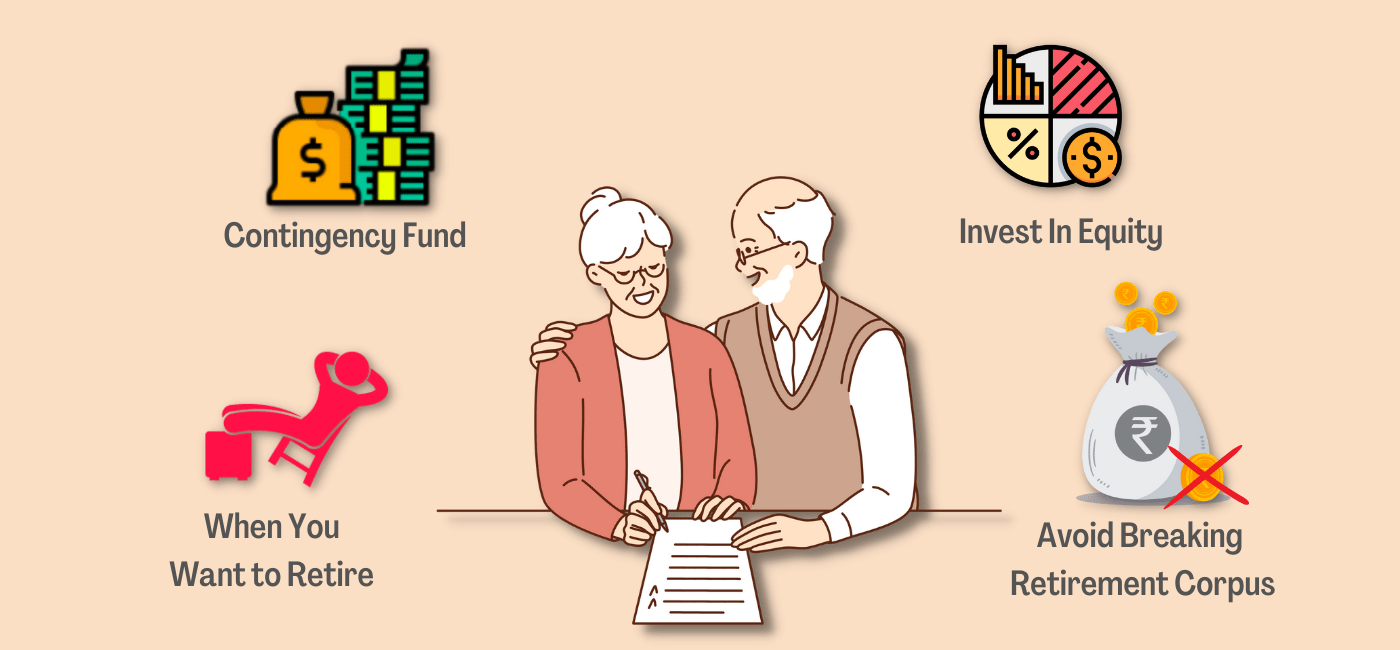
Retirement Planning: Start Early, Retire Comfortably
The Letter That Made Raj Think About the Future
Raj had just celebrated his 30th birthday when he received an email from his employer about updating his retirement benefits. He almost ignored it, thinking retirement was decades away. After all, he was focused on paying his mortgage, building his career, and saving for his children’s education.
Later that evening, he mentioned the email to his father, who smiled and said, “I wish I had started planning for retirement when I was your age.” Curious, Raj began learning about retirement planning. He soon realised that retirement wasn’t just about stopping work—it was about ensuring he could maintain his lifestyle, cover healthcare expenses, and remain financially independent without relying on others.
What surprised him most was the power of starting early. Even modest monthly investments made in his thirties could grow significantly over the next three decades through the power of compounding. Raj understood that retirement planning wasn’t something to postpone—it was something to begin as early as possible.
His story reflects the experience of many people who believe retirement is too far away to think about, only to discover that time is one of the most valuable assets in building long-term financial security.

What Is Retirement Planning?
Retirement planning is the process of preparing financially for the period when you stop working or reduce your working hours. It involves building sufficient savings, investments, pensions, and other income sources to maintain your desired lifestyle after retirement.
A comprehensive retirement plan typically includes:
- Regular savings
- Long-term investments
- Pension contributions
- Emergency funds
- Insurance protection
- Tax-efficient planning
- Healthcare planning
- Estate planning
The objective is to achieve financial independence so that your retirement years are comfortable and secure.
Why Retirement Planning Matters
People are generally living longer than previous generations, meaning retirement may last 20 years or more. Without adequate preparation, rising living costs, inflation, and healthcare expenses can place significant pressure on retirement savings.
Planning early helps you:
- Build wealth gradually.
- Benefit from compound growth.
- Reduce financial stress later in life.
- Maintain your desired lifestyle.
- Prepare for unexpected expenses.
- Protect your family’s financial future.
The earlier you begin, the more time your investments have to grow.
What the Research Says
Several respected organisations emphasise the importance of retirement planning and financial literacy:
- According to the Organisation for Economic Co-operation and Development (OECD), financially literate individuals are more likely to save regularly, plan for retirement, and make informed long-term financial decisions.
- The World Bank’s Global Findex Database 2021 reports that increased access to formal financial services enables more people to save and invest for future financial goals, including retirement.
- The International Monetary Fund (IMF) highlights that population ageing and increasing life expectancy make long-term retirement planning increasingly important for households around the world.
These findings reinforce that retirement planning is not only a personal financial goal but also an essential component of long-term financial wellbeing.
Why Starting Early Makes a Difference
One of the greatest advantages of early retirement planning is the power of compounding.
genui{“economics_finance_valuation_hedging_learning_block_staging”:{“type_id”:”COMPOUND_INTEREST”,”content”:”FV=PV(1+r)^n”,”locale_override”:”en-GB”}}
When you invest consistently over many years, your investment returns begin generating additional returns. This means time often contributes more to wealth creation than making larger contributions later in life.
For example:
- Starting at age 25 generally provides decades for investments to grow.
- Waiting until age 40 often requires significantly higher monthly contributions to achieve similar retirement goals.
Although investment returns are never guaranteed, beginning early gives your money more opportunity to benefit from long-term growth.
Key Elements of a Successful Retirement Plan
1. Set Clear Retirement Goals
Ask yourself:
- At what age would you like to retire?
- What lifestyle do you want?
- Where do you plan to live?
- What level of monthly income might you require?
Having clear objectives helps determine how much you should save and invest.
2. Build Retirement Savings Consistently
Regular monthly contributions are often more effective than making occasional large investments.
Consistency helps:
- Develop disciplined financial habits.
- Reduce the temptation to spend.
- Benefit from long-term market growth.
3. Invest for Long-Term Growth
Retirement is typically a long-term goal, allowing investors to consider diversified investment options suited to their objectives and risk tolerance.
Common retirement investments may include:
- Mutual funds
- Exchange-Traded Funds (ETFs)
- Pension schemes
- Government-backed savings products
- Bonds
- Diversified equity investments
A diversified portfolio can help manage risk while supporting long-term growth.
4. Build an Emergency Fund
Unexpected expenses should ideally be covered by emergency savings rather than retirement investments.
Maintaining separate emergency funds helps preserve long-term retirement assets.
5. Protect Yourself with Insurance
Insurance complements retirement planning by protecting against financial setbacks caused by illness, disability, or the loss of income.
Depending on your circumstances, consider:
- Health insurance
- Life insurance
- Critical illness cover
Financial protection helps safeguard your long-term retirement plan.
6. Review Your Retirement Plan Regularly
Life changes over time.
Review your retirement strategy after events such as:
- Salary increases
- Marriage
- Buying a home
- Having children
- Career changes
- Major investment changes
Regular reviews help keep your retirement plan aligned with your evolving goals.
Common Retirement Planning Mistakes
Many people delay retirement planning or make avoidable mistakes:
Waiting Too Long
Time is one of the most valuable factors in successful retirement planning.
Depending Solely on Government or Employer Benefits
Government pensions or employer-sponsored retirement plans may not fully support your desired retirement lifestyle.
Ignoring Inflation
Inflation gradually reduces purchasing power, making long-term investment growth increasingly important.
Taking Excessive Investment Risk Close to Retirement
Investment strategies often need to become more balanced as retirement approaches.
Not Estimating Healthcare Costs
Healthcare expenses often increase with age and should be considered when planning retirement income.
Practical Retirement Planning Checklist
To strengthen your retirement strategy:
- Start saving as early as possible.
- Increase retirement contributions whenever your income rises.
- Diversify your investments.
- Review your retirement goals annually.
- Keep an emergency fund separate.
- Maintain appropriate insurance coverage.
- Stay informed about pensions, taxation, and investment options.
- Continue improving your financial knowledge.
Retirement planning is most successful when it becomes a lifelong habit rather than a last-minute priority.
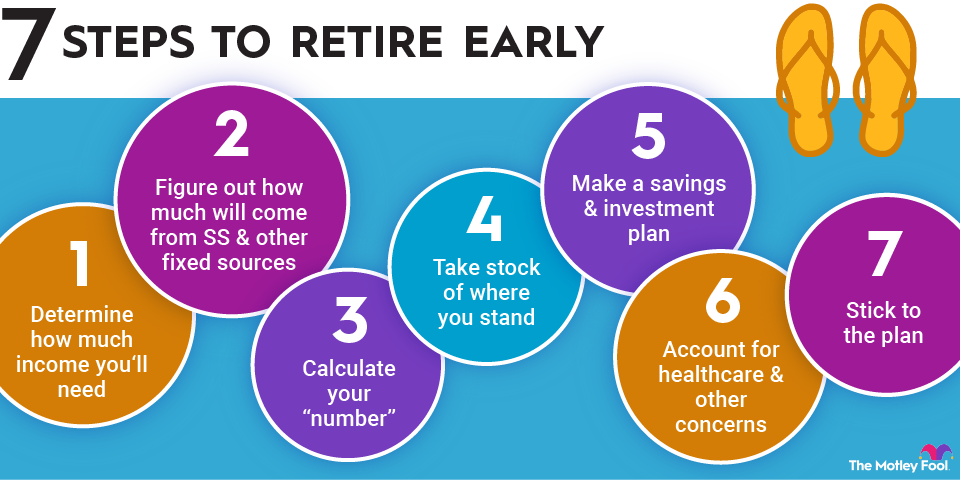
How Our Blog Helps You Achieve Retirement Success
Planning for retirement can feel overwhelming because it involves investing, pensions, taxation, inflation, insurance, and long-term financial forecasting. Our blog simplifies these topics through practical, evidence-based guidance designed for readers at every stage of their financial journey.
By following our articles, you’ll learn how to:
- Build realistic retirement plans.
- Understand pensions and retirement savings options.
- Compare investment products objectively.
- Improve budgeting and long-term saving habits.
- Understand inflation and the power of compounding.
- Avoid common retirement planning mistakes.
- Stay informed about personal finance and investment strategies.
- Build lasting financial confidence.
Our mission is to help readers transform financial knowledge into practical action that supports financial independence throughout retirement.
Retirement Is Planned Long Before It Begins
A comfortable retirement rarely happens by chance. It is built through years of consistent saving, thoughtful investing, disciplined budgeting, and informed financial decisions. Every contribution you make today becomes an investment in your future independence. While no one can predict exactly what retirement will look like, preparing early gives you greater flexibility, confidence, and peace of mind when that chapter of life finally arrives.
Conclusion
Retirement planning is one of the most important financial commitments you can make, and the best time to start is as early as possible. By setting clear goals, saving consistently, investing wisely, protecting yourself with appropriate insurance, and reviewing your plan regularly, you can build the financial foundation needed for a comfortable and independent retirement. Our blog is committed to helping you simplify retirement planning through trusted insights, practical strategies, and evidence-based financial education that empowers you to achieve your long-term goals, so what step will you take today to ensure you can retire comfortably tomorrow?
- Organisation for Economic Co-operation and Development (OECD). Financial Education and Financial Literacy: https://www.oecd.org/finance/financial-education/
- World Bank. Global Findex Database 2021: https://www.worldbank.org/en/publication/globalfindex
- International Monetary Fund (IMF). Population Ageing and Macroeconomic Challenges and related research: https://www.imf.org/